maximum test » Hugues IV 'le Brun' "Hugh IV of Lusignan" de Lusignan seigneur de Lusignan (± 985-1029)
Persoonlijke gegevens Hugues IV 'le Brun' "Hugh IV of Lusignan" de Lusignan seigneur de Lusignan
- Roepnaam is Hugh IV of Lusignan.
- Hij is geboren rond 985France.
- Beroep: Senhor de Lusignan.
- Hij is overleden in het jaar 1029France.
- Een kind van Hugues Albus ("le Blanc") de Lusignan en Arsende de Vivonne
- Deze gegevens zijn voor het laatst bijgewerkt op 4 februari 2020.
Gezin van Hugues IV 'le Brun' "Hugh IV of Lusignan" de Lusignan seigneur de Lusignan
Hij is getrouwd met Aldearde de Thouars.
Zij zijn getrouwd in het jaar 1015.
Kind(eren):
Notities over Hugues IV 'le Brun' "Hugh IV of Lusignan" de Lusignan seigneur de Lusignan
Name Suffix:IV
Hugh IV of Lusignan
From Wikipedia, the free encyclopedia
Hugh IV (c.1026), called Brunus (Latin for the Brown), was the fourth lord of Lusignan. He was the son of Hugh Albus and Arsendis. He was a turbulent baron, who brought his family out of obscurity and on their way to prominence in European and eventually even Middle Eastern affairs.
Hugh spent many years in war with the viscounts of Thouars over a fief he claimed was rightfully his. Peace was obtained breifly by Hugh's marriage to Audéarde, the daughter of the Viscount Ralph. As a dowry, Hugh received the castle of Mouzeuil. Hugh already held the castle of Lusignan, built by his grandfather Hugh Carus, and that of Couhé, built by the duke of Aquitaine. When Ralph, died, however, his successor Geoffrey retook Mouzeuil.
Hugh also engaged in a long war with Aimery I, lord of Rancon, who seized Civray, a fief of Bernard I of La Marche. By alliance with Duke William V of Aquitaine, Hugh and Bernard retook Civray and Hugh held it as a fief, though he lost it soon after. Nevertheless, he continued his war with Aimery.
When the viscounty of Châtellerault fell vacant, Hugh asked the duke for it, but was put off with empty promises. Hugh waged war with the duke until the latter granted him the fief of Vivonne, which had once belonged to his uncle Joscelin. William later deprived Hugh of the proceeds of the tax on Saint-Maixent which his mother Emma, wife of William IV of Aquitaine, had granted Hugh's father.
On 6 March 1025, Hugh exchanged lands with the abbey of Saint-Hilaire of Poitiers in order to found a monastery for his soul. The duke obtained two charters from King Robert II confirming this monastic establishment and another at Couhé. Hugh and the Poitevin bishop Isembart then sent letters to Pope John XIX to beg exemption for his monasteries from all authority save that of Nouaillé. Said exemption was granted.
At his monastery of Notre-Dame de Lusignan, a monkish chronicler wrote the Convention inter Guillelmum ducem Aquitaniae et Hugonem Chiliarchum celebrating Hugh's warmaking. According to the Convention, Hugh died a year after his final agreement with the duke, probably in 1026 or thereabouts. He left two sons by Audéarde: Hugh, who succeeded him, and Rorgo.
Preceded by:
Hugh III Lord of Lusignan Succeeded by:
Hugh V
Kinship II - A collection of family, friends and U.S. Presidents
URL: http://worldconnect.genealogy.rootsweb.com/cgi-bin/igm.cgi?op=GET&db=:2902060&id=I575156651
ID: I575156651
Name: Hugh IV SIRE
Given Name: Hugh IV
Surname: SIRE
Sex: M
Birth: Abt 0985 in Of, Lusignan, Vienne, France
Death: Living 1030
Change Date: 1 Apr 2003 1 1 1
Note: Ancestral File Number: 9HM9-0J
Father: Hugh III SIRE b: Abt 0955 in Of, Lusignan, Vienne, France
Marriage 1 Aldearde UNKNOWN b: Abt 0989 in
Note: _UIDBA3D11E43C114843BA7AFC618D93D130761D
Children
Hugh V "Le Debonnaire" SIRE b: Abt 1015 in Of, Lusignan, Vienne, France
Sources:
Author: The Church of Jesus Christ of Latter-day Saints
Title: Ancestral File (R)
Publication: Copyright (c) 1987, June 1998, data as of 5 January 1998
Repository:
{geni:about_me} Hugh IV (c.1026), called Brunus (Latin for the Brown), was the fourth Lord of Lusignan. He was the son of Hugh III Albus and Arsendis. He was a turbulent baron, who brought his family out of obscurity and on their way to prominence in European and eventually even Middle Eastern affairs.
Hugh spent many years in war with the Viscounts of Thouars over a fief he claimed was rightfully his. Peace was obtained briefly by Hugh's marriage to Audéarde or Aldiarde, the daughter of the Viscount Ralph. As a dowry, Hugh received the castle of Mouzeuil. Hugh already held the castle of Lusignan, built by his grandfather Hugh Carus, and that of Couhé, built by the duke of Aquitaine. When Ralph, died, however, his successor Geoffrey retook Mouzeuil.
Hugh also engaged in a long war with Aimery I, lord of Rancon, who seized Civray, a fief of Bernard I of La Marche. By alliance with Duke William V of Aquitaine, Hugh and Bernard retook Civray and Hugh held it as a fief, though helost it soon after. Nevertheless, he continued his war with Aimery.
When the Viscounty of Châtellerault fell vacant, Hugh asked the duke for it, but was put off with empty promises. Hugh waged war with the duke until the latter granted him the fief of Vivonne, which had once belonged to his uncle Joscelin. William later deprived Hugh of the proceeds of the tax on Saint-Maixent which his mother Emma, wife of William IV of Aquitaine, had granted Hugh's father.
On 6 March 1025, Hugh exchanged lands with the abbey of Saint-Hilaire of Poitiers in order to found a monastery for his soul. The duke obtained two charters from King Robert II confirming this monastic establishment and another atCouhé. Hugh and the Poitevin bishop Isembart then sent letters to Pope John XIX to beg exemption for his monasteries from all authority save that of Nouaillé. Said exemption was granted.
--------------------
Hugh IV (died c.1026), called Brunus (Latin for the Brown), was the fourth Lord of Lusignan. He was the son of Hugh III Albus and Arsendis. He was a turbulent baron, who brought his family out of obscurity and on their way to prominence in European and eventually even Middle Eastern affairs.
Hugh spent many years in war with the Viscounts of Thouars over a fief he claimed was rightfully his. Peace was obtained briefly by Hugh's marriage to Audéarde or Aldiarde, the daughter of the Viscount Ralph. As a dowry, Hugh received the castle of Mouzeuil. Hugh already held the castle of Lusignan, built by his grandfather Hugh Carus, and that of Couhé, built by the duke of Aquitaine. When Ralph, died, however, his successor Geoffrey retook Mouzeuil.
Hugh also engaged in a long war with Aimery I, lord of Rancon, who seized Civray, a fief of Bernard I of La Marche. By alliance with Duke William V of Aquitaine, Hugh and Bernard retook Civray and Hugh held it as a fief, though helost it soon after. Nevertheless, he continued his war with Aimery.
When the Viscounty of Châtellerault fell vacant, Hugh asked the duke for it, but was put off with empty promises. Hugh waged war with the duke until the latter granted him the fief of Vivonne, which had once belonged to his uncle Joscelin. William later deprived Hugh of the proceeds of the tax on Saint-Maixent which his mother Emma, wife of William IV of Aquitaine, had granted Hugh's father.
On 6 March 1025, Hugh exchanged lands with the abbey of Saint-Hilaire of Poitiers in order to found a monastery for his soul. The duke obtained two charters from King Robert II confirming this monastic establishment and another atCouhé. Hugh and the Poitevin bishop Isembart then sent letters to Pope John XIX to beg exemption for his monasteries from all authority save that of Nouaillé. Said exemption was granted.
At his monastery of Notre-Dame de Lusignan, a monkish chronicler wrote the Conventum inter Guillelmum ducem Aquitaniae et Hugonem Chiliarchum celebrating Hugh's warmaking. According to the Conventum, Hugh died a year after his final agreement with the duke, probably in 1026 or thereabouts. He left two sons by Audéarde: Hugh V, who succeeded him, and Rorgo.
[edit] Sources
Painter, Sidney. "The Lords of Lusignan in the Eleventh and Twelfth Centuries." Speculum, Vol. 32, No. 1. (Jan., 1957), pp 27–47.
Preceded by
Hugh III Lord of Lusignan Succeeded by
Hugh V
Retrieved from "http://en.wikipedia.org/wiki/Hugh_IV_of_Lusignan"
Categories: House of Lusignan | 1026 deaths
--------------------
Hugh IV (c.1026), called Brunus (Latin for the Brown), was the fourth Lord of Lusignan. He was the son of Hugh III Albus and Arsendis. He was a turbulent baron, who brought his family out of obscurity and on their way to prominence in European and eventually even Middle Eastern affairs.
Hugh spent many years in war with the Viscounts of Thouars over a fief he claimed was rightfully his. Peace was obtained briefly by Hugh's marriage to Audéarde or Aldiarde, the daughter of the Viscount Ralph. As a dowry, Hugh received the castle of Mouzeuil. Hugh already held the castle of Lusignan, built by his grandfather Hugh Carus, and that of Couhé, built by the duke of Aquitaine. When Ralph, died, however, his successor Geoffrey retook Mouzeuil.
Hugh also engaged in a long war with Aimery I, lord of Rancon, who seized Civray, a fief of Bernard I of La Marche. By alliance with Duke William V of Aquitaine, Hugh and Bernard retook Civray and Hugh held it as a fief, though helost it soon after. Nevertheless, he continued his war with Aimery.
When the Viscounty of Châtellerault fell vacant, Hugh asked the duke for it, but was put off with empty promises. Hugh waged war with the duke until the latter granted him the fief of Vivonne, which had once belonged to his uncle Joscelin. William later deprived Hugh of the proceeds of the tax on Saint-Maixent which his mother Emma, wife of William IV of Aquitaine, had granted Hugh's father.
On 6 March 1025, Hugh exchanged lands with the abbey of Saint-Hilaire of Poitiers in order to found a monastery for his soul. The duke obtained two charters from King Robert II confirming this monastic establishment and another atCouhé. Hugh and the Poitevin bishop Isembart then sent letters to Pope John XIX to beg exemption for his monasteries from all authority save that of Nouaillé. Said exemption was granted.
--------------------
Hugh IV (died ca. 1026), called Brunus (Latin for the Brown), was the fourth Lord of Lusignan. He was the son of Hugh III Albus and Arsendis. He was a turbulent baron, who brought his family out of obscurity and on their way to prominence in European and eventually even Middle Eastern affairs.
Hugh spent many years in war with the Viscounts of Thouars over a fief he claimed was rightfully his. Peace was obtained briefly by Hugh's marriage to Audéarde or Aldiarde, the daughter of the Viscount Ralph. As a dowry, Hugh received the castle of Mouzeuil. Hugh already held the castle of Lusignan, built by his grandfather Hugh Carus, and that of Couhé, built by the duke of Aquitaine. When Ralph, died, however, his successor Geoffrey retook Mouzeuil.
Hugh also engaged in a long war with Aimery I, lord of Rancon, who seized Civray[disambiguation needed], a fief of Bernard I of La Marche. By alliance with Duke William V of Aquitaine, Hugh and Bernard retook Civray and Hugh held it as a fief, though he lost it soon after. Nevertheless, he continued his war with Aimery.
When the Viscounty of Châtellerault fell vacant, Hugh asked the duke for it, but was put off with empty promises. Hugh waged war with the duke until the latter granted him the fief of Vivonne, which had once belonged to his uncle Joscelin. William later deprived Hugh of the proceeds of the tax on Saint-Maixent which his mother Emma, wife of William IV of Aquitaine, had granted Hugh's father.
On 6 March 1025, Hugh exchanged lands with the abbey of Saint-Hilaire[disambiguation needed] of Poitiers in order to found a monastery for his soul. The duke obtained two charters from King Robert II confirming this monastic establishment and another at Couhé. Hugh and the Poitevin bishop Isembart then sent letters to Pope John XIX to beg exemption for his monasteries from all authority save that of Nouaillé. Said exemption was granted.
At his monastery of Notre-Dame de Lusignan, a monkish chronicler wrote the Conventum inter Guillelmum ducem Aquitaniae et Hugonem Chiliarchum celebrating Hugh's warmaking. According to the Conventum, Hugh died a year after his final agreement with the duke, probably in 1026 or thereabouts. He left two sons by Audéarde: Hugh V, who succeeded him, and Rorgo.
Sources[edit]
Painter, Sidney. "The Lords of Lusignan in the Eleventh and Twelfth Centuries." Speculum, Vol. 32, No. 1. (Jan., 1957), pp 27–47.
_P_CCINFO 1-20792
1 NAME Le Brun //
2 GIVN Le Brun
2 SURN
2 NICK Le Brun
Hugh IV of Lusignan
http://trees.ancestry.com/rd?f=document&guid=9de31eb5-28b4-4d86-9492-2979152fefbd&tid=10145763&pid=-317203056
p027797-001939
http://trees.ancestry.com/rd?f=image&guid=8fdf8f27-9773-4545-b9ea-812e09db3251&tid=10145763&pid=-317203056
Hugh IV of Lusignan
http://trees.ancestry.com/rd?f=document&guid=9de31eb5-28b4-4d86-9492-2979152fefbd&tid=10145763&pid=-317203056
1 NAME Le Brun //
2 GIVN Le Brun
2 SURN
2 NICK Le Brun
1 NAME Le Brun //
2 GIVN Le Brun
2 SURN
2 NICK Le Brun
p027797-001939
http://trees.ancestry.com/rd?f=image&guid=8fdf8f27-9773-4545-b9ea-812e09db3251&tid=10145763&pid=-317203056
Tijdbalk Hugues IV 'le Brun' "Hugh IV of Lusignan" de Lusignan seigneur de Lusignan
Deze functionaliteit is alleen beschikbaar voor browsers met Javascript ondersteuning.
Klik op de namen voor meer informatie.
Gebruikte symbolen:  grootouders
 ouders
 broers/zussen
 kinderen
grootouders
ouders
broers/zussen
kinderen
Voorouders (en nakomelingen) van Hugues IV 'le Brun' de Lusignan
Hugues IV 'le Brun' de Lusignan 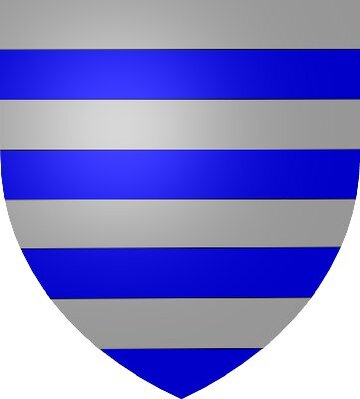 | ||||||||||||||||||||||||||||||||||
1015 | ||||||||||||||||||||||||||||||||||
Aldearde de Thouars  | ||||||||||||||||||||||||||||||||||


De getoonde gegevens hebben geen bronnen.
Aanknopingspunten in andere publicaties
Deze persoon komt ook voor in de publicatie: Bekijk alle
Over de familienaam De Lusignan
- Bekijk de informatie die Genealogie Online heeft over de familienaam De Lusignan.
- Bekijk de informatie die Open Archieven heeft over De Lusignan.
- Bekijk in het Wie (onder)zoekt wie? register wie de familienaam De Lusignan (onder)zoekt.
De publicatie maximum test is opgesteld door Ard van Bergen.
Wilt u bij het overnemen van gegevens uit deze stamboom alstublieft een verwijzing naar de herkomst opnemen:
Ard van Bergen, "maximum test", database, Genealogie Online (https://www.genealogieonline.nl/maximum-test/I4867697351110031788.php : benaderd 20 februari 2026), "Hugues IV 'le Brun' "Hugh IV of Lusignan" de Lusignan seigneur de Lusignan (± 985-1029)".
Ard van Bergen, "maximum test", database, Genealogie Online (https://www.genealogieonline.nl/maximum-test/I4867697351110031788.php : benaderd 20 februari 2026), "Hugues IV 'le Brun' "Hugh IV of Lusignan" de Lusignan seigneur de Lusignan (± 985-1029)".