maximum test » Vratislaus "Wratislaus II" (1035-1092)
Persönliche Daten Vratislaus "Wratislaus II"
Quellen 1, 2- Alternative Name: King Vratislav I of Bohemia
- Spitzname ist Wratislaus II.
- Er wurde geboren zwischen 1032 und 1035Praha
Bohemia. - Er wurde getauft in Bohemia-Duke-succeeded bro. Spitinehv.
- Berufe:
- Konge.
- Duc, Roi, de Bohême.
- im Jahr 1085 unknown in King of Bohmia.
- Er ist verstorben am 14. Januar 1092Bohemia.
- Er wurde beerdigt am 14. Januar 1092St. Peter and Paul′s Church, Vyšehrad
Bohemia. - Ein Kind von Břetislav und Judith von Schweinfurt
- Diese Information wurde zuletzt aktualisiert am 14. März 2019.
Familie von Vratislaus "Wratislaus II"
Er ist verheiratet mit Adelaida Árpád dynasty.
Sie haben geheiratet im Jahr 1057.
Kind(er):
Notizen bei Vratislaus "Wratislaus II"
GIVN Vratislav II Koenig
SURN von Boehmen
REPO @REPO80@
TITL World Family Tree Vol. 11, Ed. 1
AUTH Brøderbund Software, Inc.
PUBL Release date: July 1, 1997
ABBR World Family Tree Vol. 11, Ed. 1
Customer pedigree.
Source Media Type: Family Archive CD
PAGE Tree #3804
DATA
TEXT Date of Import: 18 Dez 1998
REPO @REPO80@
TITL World Family Tree Vol. 11, Ed. 1
AUTH Brøderbund Software, Inc.
PUBL Release date: July 1, 1997
ABBR World Family Tree Vol. 11, Ed. 1
Customer pedigree.
Source Media Type: Family Archive CD
PAGE Tree #3804
DATA
TEXT Date of Import: 18 Dez 1998
REPO @REPO80@
TITL World Family Tree Vol. 11, Ed. 1
AUTH Brøderbund Software, Inc.
PUBL Release date: July 1, 1997
ABBR World Family Tree Vol. 11, Ed. 1
Customer pedigree.
Source Media Type: Family Archive CD
PAGE Tree #3804
DATA
TEXT Date of Import: 18 Dez 1998
DATE 9 SEP 2000
TIME 13:17:40
GIVN Vratislav II Koenig
SURN von Boehmen
REPO @REPO80@
TITL World Family Tree Vol. 11, Ed. 1
AUTH Brøderbund Software, Inc.
PUBL Release date: July 1, 1997
ABBR World Family Tree Vol. 11, Ed. 1
Customer pedigree.
Source Media Type: Family Archive CD
PAGE Tree #3804
DATA
TEXT Date of Import: 18 Dez 1998
REPO @REPO80@
TITL World Family Tree Vol. 11, Ed. 1
AUTH Brøderbund Software, Inc.
PUBL Release date: July 1, 1997
ABBR World Family Tree Vol. 11, Ed. 1
Customer pedigree.
Source Media Type: Family Archive CD
PAGE Tree #3804
DATA
TEXT Date of Import: 18 Dez 1998
REPO @REPO80@
TITL World Family Tree Vol. 11, Ed. 1
AUTH Brøderbund Software, Inc.
PUBL Release date: July 1, 1997
ABBR World Family Tree Vol. 11, Ed. 1
Customer pedigree.
Source Media Type: Family Archive CD
PAGE Tree #3804
DATA
TEXT Date of Import: 18 Dez 1998
DATE 9 SEP 2000
TIME 13:17:40
Name Prefix:King Name Suffix: I/Ii Of Bohemia
Hertug av Böhmen 1061 - 1085.
Konge av Böhmen 1085 - 1092.
Wratislav var den første i Böhmen som fikk kongetittel av keiser Heinrich IV.
Han ble gift annen gang i 1063 med Swantawa av Polen.
During a period of disarray Bohemia became increasingly dependent on the Holy
Roman Empire to the west. Prince Vratislav II obtained from the Holy Roman
Emperor Henry IV the title of king as a personal (not Hereditary) privilege,
and Vladislav II (1140-1173) was awarded the royal crown on the same basis by
Emperor Frederick I Barbarossa. From this point in time written history is
lacking. Therefore, the next member of the monachy known, ouside of a mention
of Prince Vladislav II, 1140-1173, is Otakar I, 1198-1230. See #1857.
Vratislaus II of Bohemia
From Wikipedia, the free encyclopedia
Vratislaus II or Wratislaus II (Czech: Vratislav II) (died 14 January 1092), the son of Bretislaus I and Judith, daughter of Henry of Schweinfurt, was the first King of Bohemia from 15 June 1085. The royal title was a grant, however, from the Holy Roman Emperor and was not hereditary. Before being raised to kingship, he had ruled Bohemia as duke since 1061. He was one of the greatest of medieval Czech rulers.
On his father's death in 1055, Vratislaus became duke of Olomouc. He fell out with his brother Spytihnev II and was exiled to Hungary. Vratislaus regained his Moravian ducal throne with Hungarian assistance and eventually reconciled with his brother and succeed him in the dukeship of all Bohemia and Moravia.
Contents [hide]
1 Campaigns of Henry IV
2 Expansionism
3 Internal affairs
4 Family
[edit] Campaigns of Henry IV
Vratislaus was, from the beginning, a vassal and ally of the Emperor Henry IV. He supported Henry in both the Investiture Controversy and the rebellions in Saxony which dominated his long reign. Pope Gregory VII, having already gained the support of Boleslaus II of Poland, was keen on roping in the duke of Bohemia to surround the emperor with adversaries fighting for the church. The pope confirmed Vratislaus in the privilege of wearing the mitre and tunic which his predecessors had had. The pope also expressed gratitude for the regular payment of tribute to the Holy See. Vratislaus was often at odds with his brother Jaromir, the bishop of Prague, and he wore his religious vestments around the bishop to irritate him. Jaromir, for his part, ignored the creation of a new Moravian diocese by Vratislaus in 1063. Jaromir even went so far as to take by arms the relics removed from Prague to Moravia. Despite the pope's support for Vratislaus' new see, the Bohemian duke was unswayed in his allegiance to the Empire.
The Saxons revolted under their Duke Magnus and Otto of Nordheim, Duke of Bavaria, in 1070 and Boleslaus of Poland attacked Bohemia in 1071. In August 1073, Henry responded with an invasion of Poland, but a new Saxon revolt drew him back in 1075. Vratislaus joined him and they defeated the rebels on June 9 at the First Battle of Langensalza. The Bohemian troops showed conspicuous bravery. Henry then took Jaromir to Duitsland to be his chancellor by the name of Gebhard and Vratislaus was greatly relieved.
Vratislaus also took part in the wars against the anti-kings who opposed Henry's rule and were elected by a part of the nobility to replace him. At the Battle of Flarchheim, only through the aid of Vratislaus' contingent was the imperial army capable of overcoming the rebels of the papally-approved claimant Rudolf of Rheinfelden, Duke of Swabia. Vratislaus even succeeded in seizing Rudolf's gold sword. The gold sword was carried in front of Vratislaus on state occasions. Vratislaus raised an army to serve in Henry's Italian campaign of 1081. In 1083, Vratislaus and his Czechs were with Henry when they entered the Eternal City itself. Despite his serving an excommunicate emperor, Vratislaus maintained good relations with the papacy. Nonetheless, Gregory refused to grant Vratislaus permission to use the Slavonic liturgy. Never, however, did Vratislaus link his fate with that of Henry's antipope, Clement III.
[edit] Expansionism
Vratislaus coveted the largely Slavic marches of Meissen and Lusatia, but, in spite of Henry's promises and Bohemian successes against the rebellious margraves, he never received them. Vratislaus always obediently returned any territory conquered from Poland or the margraviates to the emperor. Between 1075 and 1086, he held some land in Lower Lusatia in hopes that eventually Henry would confirm it in his possession permanently, but in 1088, with the insurrection of Egbert II of Meissen, Henry granted the region to Henry of Ostmark. Vratislaus was thereafter cool to Henry's military adventures. He never adjusted his loyalty, but he abstained from giving the emperor martial aid.
[edit] Internal affairs
It was a Premyslid tradition that Moravia would be entrusted to the younger brothers of the ruling prince. In Vratislaus' case, his two younger brothers Conrad and Otto inherited Brno and Olomouc and the youngest, Jaromir, entered the church. However, enmity grew between the brothers. It was then that Vratislaus founded the diocese of Olomouc, under the Archbishopric of Mainz, to counter Otto's authority within his province. Both pope and emperor took a hand in refereeing the conflict, which was partially fixed with Henry's appointment of Jaromir as chancellor in 1077. In April 1085, a reichstag convened in Mainz suppressed the Moravian see and, but Vratislaus later refounded the see. Jaromir protested in Rome to Pope Urban II, but died in 1090.
Sadly for Vratislaus, his last years were occupied by dynastic quarrelling. When his brother Otto died in 1086, he gave Olomouc to his son Boleslaus, which was seen to be an act against the interests of Conrad. Vratislaus raised an army against Conrad and sent it out under his other son Bretislaus. Instead, this son turned on him. Vratislaus, in keeping with Czech custom, designated an heir: Conrad. Thus reconciled with his surviving brother, the two demolished Bretislaus, who fled to Hungary.
Vratislaus died of a hunting wound on January 14, 1092, after a reign of thiry years.
[edit] Family
Vratislaus was married three times. His first five died during premature childbirth. He married the second time in 1057 to Adelaide, daughter of Andrew I of Hungary, who died in 1061. They had fourt children:
Vratislaus (-1061)
Judith (1056/58-1086), married to Ladislaus I Herman, son of Casimir I of Poland
Ludmila(-after 1100)
Bretislaus II of Bohemia (c. 1060–December 22, 1100), Duke of Bohemia
In 1062, Vratislaus married a third time to Swietoslawa I of Bohemia, a daughter of Casimir I of Poland. They had five children:
Boleslaus (-1091)
Borivoj II of Bohemia (c. 1064-February 2, 1124), Duke of Bohemia
Vladislaus I of Bohemia (-April 12, 1125), Duke of Bohemia
Sobeslav I of Bohemia (-February 14, 1140), Duke of Bohemia
Judith (c. 1066-9 December 1108), married to Wiprecht de Groitzsch
Boleslaus II of Bohemia Emma of Melnik ?? ?? Berthold, Margrave of the Nordmark Eilika of Walbeck Otto ?
Oldrich of Bohemia Božena Henry of Schweinfurt Gerberga
Bretislaus I of Bohemia Judith of Schweinfurt
Vratislaus II of Bohemia
Regnal titles
Preceded by
Spytihnev II Duke of Bohemia
1061–1085 Vacant
Title next held by
Conrad I
Preceded by
none King of Bohemia
1085–1092 Vacant
Title next held by
Vladislaus II
During a period of disarray Bohemia became increasingly dependent on the Holy
Roman Empire to the west. Prince Vratislav II obtained from the Holy Roman
Emperor Henry IV the title of king as a personal (not Hereditary) privilege,
and Vladislav II (1140-1173) was awarded the royal crown on the same basis by
Emperor Frederick I Barbarossa. From this point in time written history is
lacking. Therefore, the next member of the monachy known, ouside of a mention
of Prince Vladislav II, 1140-1173, is Otakar I, 1198-1230. See #1857.
During a period of disarray Bohemia became increasingly dependent on the Holy
Roman Empire to the west. Prince Vratislav II obtained from the Holy Roman
Emperor Henry IV the title of king as a personal (not Hereditary) privilege,
and Vladislav II (1140-1173) was awarded the royal crown on the same basis by
Emperor Frederick I Barbarossa. From this point in time written history is
lacking. Therefore, the next member of the monachy known, ouside of a mention
of Prince Vladislav II, 1140-1173, is Otakar I, 1198-1230. See #1857.
During a period of disarray Bohemia became increasingly dependent on the Holy
Roman Empire to the west. Prince Vratislav II obtained from the Holy Roman
Emperor Henry IV the title of king as a personal (not Hereditary) privilege,
and Vladislav II (1140-1173) was awarded the royal crown on the same basis by
Emperor Frederick I Barbarossa. From this point in time written history is
lacking. Therefore, the next member of the monachy known, ouside of a mention
of Prince Vladislav II, 1140-1173, is Otakar I, 1198-1230. See #1857.
[Weis 207] Wratislav II was gt.gt.grandson of Boleslav I, "the Cruel", who murdered bro. Duke Wenceslas (later St. Wenceslas and "Good King Wenceslas" of carol) at instigation of their mother Drahomira.
[Wikipedia, "Vratislaus II of Bohemia", retrieved 22 Oct 07]
Vratislaus II or Wratislaus II (Czech: Vratislav II) (died 14 January 1092), the son of Bretislaus I and Judith, daughter of Henry of Schweinfurt, was the first King of Bohemia from 15 June 1085. The royal title was a grant, however, from the Holy Roman Emperor and was not hereditary. Before being raised to kingship, he had ruled Bohemia as duke since 1061. He was one of the greatest of medieval Czech rulers.
On his father's death in 1055, Vratislaus became duke of Olomouc. He fell out with his brother Spytihnev II and was exiled to Hungary. Vratislaus regained his Moravian ducal throne with Hungarian assistance and eventually reconciled with his brother and succeed him in the dukeship of all Bohemia and Moravia.
Vratislaus died of a hunting wound on January 14, 1092, after a reign of thiry years.
Family
Vratislaus was married twice; the first time in 1057 to Adelaide, daughter of Andrew I of Hungary, who died in 1061. They had two children:
- Bretislaus II of Bohemia
- Judith (died 1086), married (1080) Ladislaus I Herman, son of Casimir I of Poland
In 1062, Vratislaus married a second time to Swatana, a daughter of Casimir, who died in 1126. They had five children:
- Boleslaus of Olomouc
- Borivoj II of Bohemia
- Vladislaus I of Bohemia
- Sobeslav I of Bohemia
- Judith (died 9 December 1108), married Wiprecht de Groitzsch
During this period of disarray Bohemia became increasingly dependent on the Holy Roman Empire to the west. The Premyslid prince Vratislav I (1061-92) obtained from the Holy Roman Emperor Henry IV the title of King of Bohemia as a personal (ie. nonhereditary) privilege, and Prince Vladislav II (1140-73) was awarded the royal crown on the same basis by Emperor Frederick I Barbarossa. [Encyclopedia Britannica]
GIVN Vratislav II Koenig
SURN von Boehmen
REPO @REPO80@
TITL World Family Tree Vol. 11, Ed. 1
AUTH Brøderbund Software, Inc.
PUBL Release date: July 1, 1997
ABBR World Family Tree Vol. 11, Ed. 1
Customer pedigree.
Source Media Type: Family Archive CD
PAGE Tree #3804
DATA
TEXT Date of Import: 18 Dez 1998
REPO @REPO80@
TITL World Family Tree Vol. 11, Ed. 1
AUTH Brøderbund Software, Inc.
PUBL Release date: July 1, 1997
ABBR World Family Tree Vol. 11, Ed. 1
Customer pedigree.
Source Media Type: Family Archive CD
PAGE Tree #3804
DATA
TEXT Date of Import: 18 Dez 1998
REPO @REPO80@
TITL World Family Tree Vol. 11, Ed. 1
AUTH Brøderbund Software, Inc.
PUBL Release date: July 1, 1997
ABBR World Family Tree Vol. 11, Ed. 1
Customer pedigree.
Source Media Type: Family Archive CD
PAGE Tree #3804
DATA
TEXT Date of Import: 18 Dez 1998
DATE 9 SEP 2000
TIME 13:17:40
Kung av Bøhmen
{geni:about_me} https://pl.wikipedia.org/wiki/Wratys%C5%82aw_II
https://finnholbek.dk/getperson.php?personID=I27256&tree=2
http://en.wikipedia.org/wiki/Vratislaus_II_of_Bohemia
Vratislaus II or Wratislaus II (Czech: Vratislav II) (died 14 January 1092), the son of Bretislaus I and Judith of Schweinfurt, daughter of Henry of Schweinfurt, was the first King of Bohemia from 15 June 1085. The royal title wasa grant, however, from the Holy Roman Emperor and was not hereditary. Before being raised to kingship, he had ruled Bohemia as duke since 1061. He was one of the greatest of medieval Bohemian rulers.
On his father's death in 1055, Vratislaus became duke of Olomouc. He fell out with his brother Spytihnev II and was exiled to Hungary. Vratislaus regained his Moravian ducal throne with Hungarian assistance and eventually reconciled with his brother and succeed him as duke of Bohemia.
Family
Vratislaus was married three times. His first wife Maria died during premature childbirth. He married the second time in 1057 to Adelaide, daughter of Andrew I of Hungary, who died in 1061. They had four children:
* Vratislaus (-1061)
* Judith (1056/58-1086), married to Ladislaus I Herman, son of Casimir I of Poland
* Ludmila(-after 1100)
* Bretislaus II of Bohemia (c. 1060–December 22, 1100), Duke of Bohemia
In 1062, Vratislaus married a third time to Świętosława I of Bohemia, a daughter of Casimir I of Poland. They had five children:
* Boleslaus (-1091)
* Borivoj II of Bohemia (c. 1064-February 2, 1124), Duke of Bohemia
* Vladislaus I of Bohemia (-April 12, 1125), Duke of Bohemia
* Sobeslav I of Bohemia (-February 14, 1140), Duke of Bohemia
* Judith (c. 1066-9 December 1108), married to Wiprecht de Groitzsch
---------
1HimselfVratislaus II of Bohemia
2FatherBretislaus I of Bohemia
3MotherJudith of Schweinfurt
4Father's FatherOldrich of Bohemia
5Father's MotherBožena (Křesinova)
6Mother's FatherHenry of Schweinfurt
7Mother's MotherGerberga
8Father's Father's FatherBoleslaus II of Bohemia
9Father's Father's MotherEmma of Melnik
12Mother's Father's FatherBerthold, Margrave of the Nordmark
13Mother's Father's MotherEilika of Walbeck
14Mother's Mother's FatherOtto
--------------------
Konge av Bohemia fra 1085, som en personlig tittel fra kongen av Tyskland.
--------------------
http://en.wikipedia.org/wiki/Vratislav_II_of_Bohemia
Vratislaus II or Wratislaus II (Czech: Vratislav II) (died 14 January 1092), the son of Bretislaus I and Judith of Schweinfurt, daughter of Henry of Schweinfurt, was the first King of Bohemia from 15 June 1085. The royal title wasa grant, however, from the Holy Roman Emperor and was not hereditary. Before being raised to kingship, he had ruled Bohemia as duke since 1061. He was one of the greatest of medieval Bohemian rulers.
On his father's death in 1055, Vratislaus became duke of Olomouc. He fell out with his brother Spytihnev II and was exiled to Hungary. Vratislaus regained his Moravian ducal throne with Hungarian assistance and eventually reconciled with his brother and succeed him as duke of Bohemia.
Campaigns of Henry IV
Vratislaus was an ally of the Emperor Henry IV. He supported Henry in both the Investiture Controversy and the rebellions in Saxony which dominated his long reign. Pope Gregory VII, having already gained the support of Boleslaus II of Poland, was keen on roping in the duke of Bohemia to surround the emperor with adversaries fighting for the church. The pope confirmed Vratislaus in the privilege of wearing the mitre and tunic which his predecessors had had.The pope also expressed gratitude for the regular payment of tribute to the Holy See.
Vratislaus was often at odds with his brother Jaromir, the bishop of Prague, and he wore his religious vestments around the bishop to irritate him. Jaromir, for his part, ignored the creation of a new Moravian diocese by Vratislaus in 1063. Jaromir even went so far as to take by arms the relics removed from Prague to Moravia. Despite the pope's support for Vratislaus' new see, the Bohemian duke was unswayed in his loyalty to the emperor.
The Saxons revolted under their Duke Magnus and Otto of Nordheim, Duke of Bavaria, in 1070 and Boleslaus of Poland attacked Bohemia in 1071. In August 1073, Henry responded with an invasion of Poland, but a new Saxon revolt drew him back in 1075. Vratislaus joined him and they defeated the rebels on June 9 at the First Battle of Langensalza. The Bohemian troops showed conspicuous bravery. Henry then took Jaromir to Duitsland to be his chancellor by the name of Gebhard and Vratislaus was greatly relieved.
Vratislaus also took part in the wars against the anti-kings who opposed Henry's rule and were elected by a part of the nobility to replace him. At the Battle of Flarchheim, only through the aid of Vratislaus' contingent was the imperial army capable of overcoming the rebels of the papally-approved claimant Rudolf of Rheinfelden, Duke of Swabia. Vratislaus even succeeded in seizing Rudolf's golden sword. The golden sword was then carried in front of Vratislaus on state occasions.
[edit] Relations with the papacy
Vratislaus raised an army to serve in Henry's Italian campaign of 1081. In 1083, Vratislaus and his Bohemians were with Henry when they entered the Eternal City itself.
Despite his serving an excommunicated emperor, Vratislaus maintained good relations with the papacy. Nonetheless, Gregory refused to grant Vratislaus permission to use the Slavonic liturgy. Never, however, did Vratislaus link his fate with that of Henry's antipope, Clement III.
[edit] Expansionism
Vratislaus coveted the largely Slavic marches of Meissen and Lusatia, but, in spite of Henry's promises and Bohemian successes against the rebellious margraves, he never received them. He held Lower Lusatia between 1075 and 1086, but in 1088, with the insurrection of Egbert II of Meissen, Henry granted the region to Henry of Ostmark. Vratislaus was thereafter cool to Henry's military adventures. He never adjusted his loyalty, but he abstained from giving the emperor martial aid.
[edit] Internal affairs
It was a Premyslid tradition that Moravia would be entrusted to the younger brothers of the ruling prince. In Vratislaus' case, his two younger brothers Conrad and Otto inherited Brno and Olomouc and the youngest, Jaromir, enteredthe church. However, enmity grew between the brothers. It was then that Vratislaus founded the diocese of Olmütz (diocese of Olomouc), under the Archbishopric of Mainz, to counter Otto's authority within his province. Both pope and emperor took a hand in refereeing the conflict, which was partially fixed with Henry's appointment of Jaromir as chancellor in 1077. In April 1085, a reichstag convened in Mainz suppressed the Moravian see and, but Vratislaus later refounded the see. Jaromir protested in Rome to Pope Urban II, but died in 1090.
Sadly for Vratislaus, his last years were occupied by dynastic quarrelling. When his brother Otto died in 1086, he gave Olomouc to his son Boleslaus, which was seen to be an act against the interests of Conrad. Vratislaus raised an army against Conrad and sent it out under his other son Bretislaus. Instead, this son turned on him. Vratislaus, in keeping with Bohemian custom, designated an heir: Conrad. Thus reconciled with his surviving brother, the two demolished Bretislaus, who fled to Hungary.
Vratislaus died of a hunting wound on January 14, 1092, after a reign of thirty years. He was buried in St. Peter and Paul′s Church, Vyšehrad.[1]
[edit] Family
Vratislaus was married three times. His first wife Maria died during premature childbirth. He married the second time in 1057 to Adelaide, daughter of Andrew I of Hungary, who died in 1061. They had four children:
* Vratislaus (-1061)
* Judith (1056/58-1086), married to Ladislaus I Herman, son of Casimir I of Poland
* Ludmila(-after 1100)
* Bretislaus II of Bohemia (c. 1060–December 22, 1100), Duke of Bohemia
In 1062, Vratislaus married a third time to Świętosława of Poland, a daughter of Casimir I of Poland. They had five children:
* Boleslaus (-1091)
* Borivoj II of Bohemia (c. 1064-February 2, 1124), Duke of Bohemia
* Vladislaus I of Bohemia (-April 12, 1125), Duke of Bohemia
* Sobeslav I of Bohemia (-February 14, 1140), Duke of Bohemia
* Judith (c. 1066-9 December 1108), married to Wiprecht de Groitzsch
--------------------
http://en.wikipedia.org/wiki/Vratislav_II_of_Bohemia
Vratislaus II or Wratislaus II (Czech: Vratislav II) (died 14 January 1092), the son of Bretislaus I and Judith of Schweinfurt, daughter of Henry of Schweinfurt, was the first King of Bohemia from 15 June 1085. The royal title wasa grant, however, from the Holy Roman Emperor and was not hereditary. Before being raised to kingship, he had ruled Bohemia as duke since 1061. He was one of the greatest of medieval Bohemian rulers.
On his father's death in 1055, Vratislaus became duke of Olomouc. He fell out with his brother Spytihnev II and was exiled to Hungary. Vratislaus regained his Moravian ducal throne with Hungarian assistance and eventually reconciled with his brother and succeed him as duke of Bohemia.
Campaigns of Henry IV
Vratislaus was an ally of the Emperor Henry IV. He supported Henry in both the Investiture Controversy and the rebellions in Saxony which dominated his long reign. Pope Gregory VII, having already gained the support of Boleslaus II of Poland, was keen on roping in the duke of Bohemia to surround the emperor with adversaries fighting for the church. The pope confirmed Vratislaus in the privilege of wearing the mitre and tunic which his predecessors had had.The pope also expressed gratitude for the regular payment of tribute to the Holy See.
Vratislaus was often at odds with his brother Jaromir, the bishop of Prague, and he wore his religious vestments around the bishop to irritate him. Jaromir, for his part, ignored the creation of a new Moravian diocese by Vratislaus in 1063. Jaromir even went so far as to take by arms the relics removed from Prague to Moravia. Despite the pope's support for Vratislaus' new see, the Bohemian duke was unswayed in his loyalty to the emperor.
The Saxons revolted under their Duke Magnus and Otto of Nordheim, Duke of Bavaria, in 1070 and Boleslaus of Poland attacked Bohemia in 1071. In August 1073, Henry responded with an invasion of Poland, but a new Saxon revolt drew him back in 1075. Vratislaus joined him and they defeated the rebels on June 9 at the First Battle of Langensalza. The Bohemian troops showed conspicuous bravery. Henry then took Jaromir to Duitsland to be his chancellor by the name of Gebhard and Vratislaus was greatly relieved.
Vratislaus also took part in the wars against the anti-kings who opposed Henry's rule and were elected by a part of the nobility to replace him. At the Battle of Flarchheim, only through the aid of Vratislaus' contingent was the imperial army capable of overcoming the rebels of the papally-approved claimant Rudolf of Rheinfelden, Duke of Swabia. Vratislaus even succeeded in seizing Rudolf's golden sword. The golden sword was then carried in front of Vratislaus on state occasions.
[edit] Relations with the papacy
Vratislaus raised an army to serve in Henry's Italian campaign of 1081. In 1083, Vratislaus and his Bohemians were with Henry when they entered the Eternal City itself.
Despite his serving an excommunicated emperor, Vratislaus maintained good relations with the papacy. Nonetheless, Gregory refused to grant Vratislaus permission to use the Slavonic liturgy. Never, however, did Vratislaus link his fate with that of Henry's antipope, Clement III.
[edit] Expansionism
Vratislaus coveted the largely Slavic marches of Meissen and Lusatia, but, in spite of Henry's promises and Bohemian successes against the rebellious margraves, he never received them. He held Lower Lusatia between 1075 and 1086, but in 1088, with the insurrection of Egbert II of Meissen, Henry granted the region to Henry of Ostmark. Vratislaus was thereafter cool to Henry's military adventures. He never adjusted his loyalty, but he abstained from giving the emperor martial aid.
[edit] Internal affairs
It was a Premyslid tradition that Moravia would be entrusted to the younger brothers of the ruling prince. In Vratislaus' case, his two younger brothers Conrad and Otto inherited Brno and Olomouc and the youngest, Jaromir, enteredthe church. However, enmity grew between the brothers. It was then that Vratislaus founded the diocese of Olmütz (diocese of Olomouc), under the Archbishopric of Mainz, to counter Otto's authority within his province. Both pope and emperor took a hand in refereeing the conflict, which was partially fixed with Henry's appointment of Jaromir as chancellor in 1077. In April 1085, a reichstag convened in Mainz suppressed the Moravian see and, but Vratislaus later refounded the see. Jaromir protested in Rome to Pope Urban II, but died in 1090.
Sadly for Vratislaus, his last years were occupied by dynastic quarrelling. When his brother Otto died in 1086, he gave Olomouc to his son Boleslaus, which was seen to be an act against the interests of Conrad. Vratislaus raised an army against Conrad and sent it out under his other son Bretislaus. Instead, this son turned on him. Vratislaus, in keeping with Bohemian custom, designated an heir: Conrad. Thus reconciled with his surviving brother, the two demolished Bretislaus, who fled to Hungary.
Vratislaus died of a hunting wound on January 14, 1092, after a reign of thirty years. He was buried in St. Peter and Paul′s Church, Vyšehrad.[1]
[edit] Family
Vratislaus was married three times. His first wife Maria died during premature childbirth. He married the second time in 1057 to Adelaide, daughter of Andrew I of Hungary, who died in 1061. They had four children:
* Vratislaus (-1061)
* Judith (1056/58-1086), married to Ladislaus I Herman, son of Casimir I of Poland
* Ludmila(-after 1100)
* Bretislaus II of Bohemia (c. 1060–December 22, 1100), Duke of Bohemia
In 1062, Vratislaus married a third time to Świętosława of Poland, a daughter of Casimir I of Poland. They had five children:
* Boleslaus (-1091)
* Borivoj II of Bohemia (c. 1064-February 2, 1124), Duke of Bohemia
* Vladislaus I of Bohemia (-April 12, 1125), Duke of Bohemia
* Sobeslav I of Bohemia (-February 14, 1140), Duke of Bohemia
* Judith (c. 1066-9 December 1108), married to Wiprecht de Groitzsch
--------------------
http://en.wikipedia.org/wiki/Vratislav_II_of_Bohemia
Vratislaus II or Wratislaus II (Czech: Vratislav II) (died 14 January 1092), the son of Bretislaus I and Judith of Schweinfurt, daughter of Henry of Schweinfurt, was the first King of Bohemia from 15 June 1085. The royal title wasa grant, however, from the Holy Roman Emperor and was not hereditary. Before being raised to kingship, he had ruled Bohemia as duke since 1061. He was one of the greatest of medieval Bohemian rulers.
On his father's death in 1055, Vratislaus became duke of Olomouc. He fell out with his brother Spytihnev II and was exiled to Hungary. Vratislaus regained his Moravian ducal throne with Hungarian assistance and eventually reconciled with his brother and succeed him as duke of Bohemia.
Campaigns of Henry IV
Vratislaus was an ally of the Emperor Henry IV. He supported Henry in both the Investiture Controversy and the rebellions in Saxony which dominated his long reign. Pope Gregory VII, having already gained the support of Boleslaus II of Poland, was keen on roping in the duke of Bohemia to surround the emperor with adversaries fighting for the church. The pope confirmed Vratislaus in the privilege of wearing the mitre and tunic which his predecessors had had.The pope also expressed gratitude for the regular payment of tribute to the Holy See.
Vratislaus was often at odds with his brother Jaromir, the bishop of Prague, and he wore his religious vestments around the bishop to irritate him. Jaromir, for his part, ignored the creation of a new Moravian diocese by Vratislaus in 1063. Jaromir even went so far as to take by arms the relics removed from Prague to Moravia. Despite the pope's support for Vratislaus' new see, the Bohemian duke was unswayed in his loyalty to the emperor.
The Saxons revolted under their Duke Magnus and Otto of Nordheim, Duke of Bavaria, in 1070 and Boleslaus of Poland attacked Bohemia in 1071. In August 1073, Henry responded with an invasion of Poland, but a new Saxon revolt drew him back in 1075. Vratislaus joined him and they defeated the rebels on June 9 at the First Battle of Langensalza. The Bohemian troops showed conspicuous bravery. Henry then took Jaromir to Duitsland to be his chancellor by the name of Gebhard and Vratislaus was greatly relieved.
Vratislaus also took part in the wars against the anti-kings who opposed Henry's rule and were elected by a part of the nobility to replace him. At the Battle of Flarchheim, only through the aid of Vratislaus' contingent was the imperial army capable of overcoming the rebels of the papally-approved claimant Rudolf of Rheinfelden, Duke of Swabia. Vratislaus even succeeded in seizing Rudolf's golden sword. The golden sword was then carried in front of Vratislaus on state occasions.
[edit] Relations with the papacy
Vratislaus raised an army to serve in Henry's Italian campaign of 1081. In 1083, Vratislaus and his Bohemians were with Henry when they entered the Eternal City itself.
Despite his serving an excommunicated emperor, Vratislaus maintained good relations with the papacy. Nonetheless, Gregory refused to grant Vratislaus permission to use the Slavonic liturgy. Never, however, did Vratislaus link his fate with that of Henry's antipope, Clement III.
[edit] Expansionism
Vratislaus coveted the largely Slavic marches of Meissen and Lusatia, but, in spite of Henry's promises and Bohemian successes against the rebellious margraves, he never received them. He held Lower Lusatia between 1075 and 1086, but in 1088, with the insurrection of Egbert II of Meissen, Henry granted the region to Henry of Ostmark. Vratislaus was thereafter cool to Henry's military adventures. He never adjusted his loyalty, but he abstained from giving the emperor martial aid.
[edit] Internal affairs
It was a Premyslid tradition that Moravia would be entrusted to the younger brothers of the ruling prince. In Vratislaus' case, his two younger brothers Conrad and Otto inherited Brno and Olomouc and the youngest, Jaromir, enteredthe church. However, enmity grew between the brothers. It was then that Vratislaus founded the diocese of Olmütz (diocese of Olomouc), under the Archbishopric of Mainz, to counter Otto's authority within his province. Both pope and emperor took a hand in refereeing the conflict, which was partially fixed with Henry's appointment of Jaromir as chancellor in 1077. In April 1085, a reichstag convened in Mainz suppressed the Moravian see and, but Vratislaus later refounded the see. Jaromir protested in Rome to Pope Urban II, but died in 1090.
Sadly for Vratislaus, his last years were occupied by dynastic quarrelling. When his brother Otto died in 1086, he gave Olomouc to his son Boleslaus, which was seen to be an act against the interests of Conrad. Vratislaus raised an army against Conrad and sent it out under his other son Bretislaus. Instead, this son turned on him. Vratislaus, in keeping with Bohemian custom, designated an heir: Conrad. Thus reconciled with his surviving brother, the two demolished Bretislaus, who fled to Hungary.
Vratislaus died of a hunting wound on January 14, 1092, after a reign of thirty years. He was buried in St. Peter and Paul′s Church, Vyšehrad.[1]
[edit] Family
Vratislaus was married three times. His first wife Maria died during premature childbirth. He married the second time in 1057 to Adelaide, daughter of Andrew I of Hungary, who died in 1061. They had four children:
* Vratislaus (-1061)
* Judith (1056/58-1086), married to Ladislaus I Herman, son of Casimir I of Poland
* Ludmila(-after 1100)
* Bretislaus II of Bohemia (c. 1060–December 22, 1100), Duke of Bohemia
In 1062, Vratislaus married a third time to Świętosława of Poland, a daughter of Casimir I of Poland. They had five children:
* Boleslaus (-1091)
* Borivoj II of Bohemia (c. 1064-February 2, 1124), Duke of Bohemia
* Vladislaus I of Bohemia (-April 12, 1125), Duke of Bohemia
* Sobeslav I of Bohemia (-February 14, 1140), Duke of Bohemia
* Judith (c. 1066-9 December 1108), married to Wiprecht de Groitzsch
--------------------
Vratislav I, King of Bohemia (1)
M, #8933, b. 1032, d. 1092
Last Edited=9 Jul 2005
Vratislav I, King of Bohemia was born in 1032. (2) He was the son of Bretislav I, Duke of Bohemia. (1) He married Swatawa Piast, daughter of Casimir I, Duke of Poland and Dobronega Maria of Kiev, in 1063.2 He died in 1092. (1)
Vratislav I, King of Bohemia was a member of the House of Premysl. (1) He succeeded to the title of Duke Vratislav II of Bohemia in 1061. (1) He was created King Vratislav I of Bohemia in 1085. (1)
Children of Vratislav I, King of Bohemia
-1. Judith of Bohemia+
-2. Vladislav I, Duke of Bohemia+ d. 1125
-3. Borivoj II, Duke of Bohemia d. 1124 (1)
-4. Bretislav II, Duke of Bohemia d. 1100 (1)
-5. Sobeslav I, Duke of Bohemia+ b. c 1075, d. 1140 (1)
Forrás:
http://www.thepeerage.com/p894.htm#i8933
--------------------
http://en.wikipedia.org/wiki/Vratislav_II_of_Bohemia
Vratislaus II or Wratislaus II (Czech: Vratislav II) (died 14 January 1092), the son of Bretislaus I and Judith of Schweinfurt, daughter of Henry of Schweinfurt, was the first King of Bohemia from 15 June 1085. The royal title wasa grant, however, from the Holy Roman Emperor and was not hereditary. Before being raised to kingship, he had ruled Bohemia as duke since 1061. He was one of the greatest of medieval Bohemian rulers.
On his father's death in 1055, Vratislaus became duke of Olomouc. He fell out with his brother Spytihnev II and was exiled to Hungary. Vratislaus regained his Moravian ducal throne with Hungarian assistance and eventually reconciled with his brother and succeed him as duke of Bohemia.
Campaigns of Henry IV
Vratislaus was an ally of the Emperor Henry IV. He supported Henry in both the Investiture Controversy and the rebellions in Saxony which dominated his long reign. Pope Gregory VII, having already gained the support of Boleslaus II of Poland, was keen on roping in the duke of Bohemia to surround the emperor with adversaries fighting for the church. The pope confirmed Vratislaus in the privilege of wearing the mitre and tunic which his predecessors had had.The pope also expressed gratitude for the regular payment of tribute to the Holy See.
Vratislaus was often at odds with his brother Jaromir, the bishop of Prague, and he wore his religious vestments around the bishop to irritate him. Jaromir, for his part, ignored the creation of a new Moravian diocese by Vratislaus in 1063. Jaromir even went so far as to take by arms the relics removed from Prague to Moravia. Despite the pope's support for Vratislaus' new see, the Bohemian duke was unswayed in his loyalty to the emperor.
The Saxons revolted under their Duke Magnus and Otto of Nordheim, Duke of Bavaria, in 1070 and Boleslaus of Poland attacked Bohemia in 1071. In August 1073, Henry responded with an invasion of Poland, but a new Saxon revolt drew him back in 1075. Vratislaus joined him and they defeated the rebels on June 9 at the First Battle of Langensalza. The Bohemian troops showed conspicuous bravery. Henry then took Jaromir to Duitsland to be his chancellor by the name of Gebhard and Vratislaus was greatly relieved.
Vratislaus also took part in the wars against the anti-kings who opposed Henry's rule and were elected by a part of the nobility to replace him. At the Battle of Flarchheim, only through the aid of Vratislaus' contingent was the imperial army capable of overcoming the rebels of the papally-approved claimant Rudolf of Rheinfelden, Duke of Swabia. Vratislaus even succeeded in seizing Rudolf's golden sword. The golden sword was then carried in front of Vratislaus on state occasions.
[edit] Relations with the papacy
Vratislaus raised an army to serve in Henry's Italian campaign of 1081. In 1083, Vratislaus and his Bohemians were with Henry when they entered the Eternal City itself.
Despite his serving an excommunicated emperor, Vratislaus maintained good relations with the papacy. Nonetheless, Gregory refused to grant Vratislaus permission to use the Slavonic liturgy. Never, however, did Vratislaus link his fate with that of Henry's antipope, Clement III.
[edit] Expansionism
Vratislaus coveted the largely Slavic marches of Meissen and Lusatia, but, in spite of Henry's promises and Bohemian successes against the rebellious margraves, he never received them. He held Lower Lusatia between 1075 and 1086, but in 1088, with the insurrection of Egbert II of Meissen, Henry granted the region to Henry of Ostmark. Vratislaus was thereafter cool to Henry's military adventures. He never adjusted his loyalty, but he abstained from giving the emperor martial aid.
[edit] Internal affairs
It was a Premyslid tradition that Moravia would be entrusted to the younger brothers of the ruling prince. In Vratislaus' case, his two younger brothers Conrad and Otto inherited Brno and Olomouc and the youngest, Jaromir, enteredthe church. However, enmity grew between the brothers. It was then that Vratislaus founded the diocese of Olmütz (diocese of Olomouc), under the Archbishopric of Mainz, to counter Otto's authority within his province. Both pope and emperor took a hand in refereeing the conflict, which was partially fixed with Henry's appointment of Jaromir as chancellor in 1077. In April 1085, a reichstag convened in Mainz suppressed the Moravian see and, but Vratislaus later refounded the see. Jaromir protested in Rome to Pope Urban II, but died in 1090.
Sadly for Vratislaus, his last years were occupied by dynastic quarrelling. When his brother Otto died in 1086, he gave Olomouc to his son Boleslaus, which was seen to be an act against the interests of Conrad. Vratislaus raised an army against Conrad and sent it out under his other son Bretislaus. Instead, this son turned on him. Vratislaus, in keeping with Bohemian custom, designated an heir: Conrad. Thus reconciled with his surviving brother, the two demolished Bretislaus, who fled to Hungary.
Vratislaus died of a hunting wound on January 14, 1092, after a reign of thirty years. He was buried in St. Peter and Paul′s Church, Vyšehrad.[1]
[edit] Family
Vratislaus was married three times. His first wife Maria died during premature childbirth. He married the second time in 1057 to Adelaide, daughter of Andrew I of Hungary, who died in 1061. They had four children:
* Vratislaus (-1061)
* Judith (1056/58-1086), married to Ladislaus I Herman, son of Casimir I of Poland
* Ludmila(-after 1100)
* Bretislaus II of Bohemia (c. 1060–December 22, 1100), Duke of Bohemia
In 1062, Vratislaus married a third time to Świętosława of Poland, a daughter of Casimir I of Poland. They had five children:
* Boleslaus (-1091)
* Borivoj II of Bohemia (c. 1064-February 2, 1124), Duke of Bohemia
* Vladislaus I of Bohemia (-April 12, 1125), Duke of Bohemia
* Sobeslav I of Bohemia (-February 14, 1140), Duke of Bohemia
* Judith (c. 1066-9 December 1108), married to Wiprecht de Groitzsch
--------------------
http://en.wikipedia.org/wiki/Vratislaus_II_of_Bohemia
Vratislaus II or Wratislaus II (Czech: Vratislav II) (died 14 January 1092), the son of Bretislaus I and Judith of Schweinfurt, daughter of Henry of Schweinfurt, was the first King of Bohemia from 15 June 1085. The royal title wasa grant, however, from the Holy Roman Emperor and was not hereditary. Before being raised to kingship, he had ruled Bohemia as duke since 1061. He was one of the greatest of medieval Bohemian rulers.
On his father's death in 1055, Vratislaus became duke of Olomouc. He fell out with his brother Spytihnev II and was exiled to Hungary. Vratislaus regained his Moravian ducal throne with Hungarian assistance and eventually reconciled with his brother and succeed him as duke of Bohemia.
Campaigns of Henry IV
Vratislaus was an ally of the Emperor Henry IV. He supported Henry in both the Investiture Controversy and the rebellions in Saxony which dominated his long reign. Pope Gregory VII, having already gained the support of Boleslaus II of Poland, was keen on roping in the duke of Bohemia to surround the emperor with adversaries fighting for the church. The pope confirmed Vratislaus in the privilege of wearing the mitre and tunic which his predecessors had had.The pope also expressed gratitude for the regular payment of tribute to the Holy See.
Vratislaus was often at odds with his brother Jaromir, the bishop of Prague, and he wore his religious vestments around the bishop to irritate him. Jaromir, for his part, ignored the creation of a new Moravian diocese by Vratislaus in 1063. Jaromir even went so far as to take by arms the relics removed from Prague to Moravia. Despite the pope's support for Vratislaus' new see, the Bohemian duke was unswayed in his loyalty to the emperor.
The Saxons revolted under their Duke Magnus and Otto of Nordheim, Duke of Bavaria, in 1070 and Boleslaus of Poland attacked Bohemia in 1071. In August 1073, Henry responded with an invasion of Poland, but a new Saxon revolt drew him back in 1075. Vratislaus joined him and they defeated the rebels on June 9 at the First Battle of Langensalza. The Bohemian troops showed conspicuous bravery. Henry then took Jaromir to Duitsland to be his chancellor by the name of Gebhard and Vratislaus was greatly relieved.
Vratislaus also took part in the wars against the anti-kings who opposed Henry's rule and were elected by a part of the nobility to replace him. At the Battle of Flarchheim, only through the aid of Vratislaus' contingent was the imperial army capable of overcoming the rebels of the papally-approved claimant Rudolf of Rheinfelden, Duke of Swabia. Vratislaus even succeeded in seizing Rudolf's golden sword. The golden sword was then carried in front of Vratislaus on state occasions.
[edit] Relations with the papacy
Vratislaus raised an army to serve in Henry's Italian campaign of 1081. In 1083, Vratislaus and his Bohemians were with Henry when they entered the Eternal City itself.
Despite his serving an excommunicated emperor, Vratislaus maintained good relations with the papacy. Nonetheless, Gregory refused to grant Vratislaus permission to use the Slavonic liturgy. Never, however, did Vratislaus link his fate with that of Henry's antipope, Clement III.
[edit] Expansionism
Denar of Vratislaus II.
Vratislaus coveted the largely Slavic marches of Meissen and Lusatia, but, in spite of Henry's promises and Bohemian successes against the rebellious margraves, he never received them. He held Lower Lusatia between 1075 and 1086, but in 1088, with the insurrection of Egbert II of Meissen, Henry granted the region to Henry of Ostmark. Vratislaus was thereafter cool to Henry's military adventures. He never adjusted his loyalty, but he abstained from giving the emperor martial aid.
[edit] Internal affairs
It was a Premyslid tradition that Moravia would be entrusted to the younger brothers of the ruling prince. In Vratislaus' case, his two younger brothers Conrad and Otto inherited Brno and Olomouc and the youngest, Jaromir, enteredthe church. However, enmity grew between the brothers. It was then that Vratislaus founded the diocese of Olmütz (diocese of Olomouc), under the Archbishopric of Mainz, to counter Otto's authority within his province. Both pope and emperor took a hand in refereeing the conflict, which was partially fixed with Henry's appointment of Jaromir as chancellor in 1077. In April 1085, a reichstag convened in Mainz suppressed the Moravian see and, but Vratislaus later refounded the see. Jaromir protested in Rome to Pope Urban II, but died in 1090.
Sadly for Vratislaus, his last years were occupied by dynastic quarrelling. When his brother Otto died in 1086, he gave Olomouc to his son Boleslaus, which was seen to be an act against the interests of Conrad. Vratislaus raised an army against Conrad and sent it out under his other son Bretislaus. Instead, this son turned on him. Vratislaus, in keeping with Bohemian custom, designated an heir: Conrad. Thus reconciled with his surviving brother, the two demolished Bretislaus, who fled to Hungary.
Vratislaus died of a hunting wound on January 14, 1092, after a reign of thirty years.
[edit] Family
Vratislaus was married three times. His first wife Maria died during premature childbirth. He married the second time in 1057 to Adelaide, daughter of Andrew I of Hungary, who died in 1061. They had four children:
* Vratislaus (-1061)
* Judith (1056/58-1086), married to Ladislaus I Herman, son of Casimir I of Poland
* Ludmila(-after 1100)
* Bretislaus II of Bohemia (c. 1060–December 22, 1100), Duke of Bohemia
In 1062, Vratislaus married a third time to Świętosława of Poland, a daughter of Casimir I of Poland. They had five children:
* Boleslaus (-1091)
* Borivoj II of Bohemia (c. 1064-February 2, 1124), Duke of Bohemia
* Vladislaus I of Bohemia (-April 12, 1125), Duke of Bohemia
* Sobeslav I of Bohemia (-February 14, 1140), Duke of Bohemia
* Judith (c. 1066-9 December 1108), married to Wiprecht de Groitzsch
--------------------
http://en.wikipedia.org/wiki/Vratislav_II_of_Bohemia
Vratislaus II or Wratislaus II (Czech: Vratislav II) (died 14 January 1092), the son of Bretislaus I and Judith of Schweinfurt, daughter of Henry of Schweinfurt, was the first King of Bohemia from 15 June 1085. The royal title wasa grant, however, from the Holy Roman Emperor and was not hereditary. Before being raised to kingship, he had ruled Bohemia as duke since 1061. He was one of the greatest of medieval Bohemian rulers.
On his father's death in 1055, Vratislaus became duke of Olomouc. He fell out with his brother Spytihnev II and was exiled to Hungary. Vratislaus regained his Moravian ducal throne with Hungarian assistance and eventually reconciled with his brother and succeed him as duke of Bohemia.
Campaigns of Henry IV
Vratislaus was an ally of the Emperor Henry IV. He supported Henry in both the Investiture Controversy and the rebellions in Saxony which dominated his long reign. Pope Gregory VII, having already gained the support of Boleslaus II of Poland, was keen on roping in the duke of Bohemia to surround the emperor with adversaries fighting for the church. The pope confirmed Vratislaus in the privilege of wearing the mitre and tunic which his predecessors had had.The pope also expressed gratitude for the regular payment of tribute to the Holy See.
Vratislaus was often at odds with his brother Jaromir, the bishop of Prague, and he wore his religious vestments around the bishop to irritate him. Jaromir, for his part, ignored the creation of a new Moravian diocese by Vratislaus in 1063. Jaromir even went so far as to take by arms the relics removed from Prague to Moravia. Despite the pope's support for Vratislaus' new see, the Bohemian duke was unswayed in his loyalty to the emperor.
The Saxons revolted under their Duke Magnus and Otto of Nordheim, Duke of Bavaria, in 1070 and Boleslaus of Poland attacked Bohemia in 1071. In August 1073, Henry responded with an invasion of Poland, but a new Saxon revolt drew him back in 1075. Vratislaus joined him and they defeated the rebels on June 9 at the First Battle of Langensalza. The Bohemian troops showed conspicuous bravery. Henry then took Jaromir to Duitsland to be his chancellor by the name of Gebhard and Vratislaus was greatly relieved.
Vratislaus also took part in the wars against the anti-kings who opposed Henry's rule and were elected by a part of the nobility to replace him. At the Battle of Flarchheim, only through the aid of Vratislaus' contingent was the imperial army capable of overcoming the rebels of the papally-approved claimant Rudolf of Rheinfelden, Duke of Swabia. Vratislaus even succeeded in seizing Rudolf's golden sword. The golden sword was then carried in front of Vratislaus on state occasions.
[edit] Relations with the papacy
Vratislaus raised an army to serve in Henry's Italian campaign of 1081. In 1083, Vratislaus and his Bohemians were with Henry when they entered the Eternal City itself.
Despite his serving an excommunicated emperor, Vratislaus maintained good relations with the papacy. Nonetheless, Gregory refused to grant Vratislaus permission to use the Slavonic liturgy. Never, however, did Vratislaus link his fate with that of Henry's antipope, Clement III.
[edit] Expansionism
Vratislaus coveted the largely Slavic marches of Meissen and Lusatia, but, in spite of Henry's promises and Bohemian successes against the rebellious margraves, he never received them. He held Lower Lusatia between 1075 and 1086, but in 1088, with the insurrection of Egbert II of Meissen, Henry granted the region to Henry of Ostmark. Vratislaus was thereafter cool to Henry's military adventures. He never adjusted his loyalty, but he abstained from giving the emperor martial aid.
[edit] Internal affairs
It was a Premyslid tradition that Moravia would be entrusted to the younger brothers of the ruling prince. In Vratislaus' case, his two younger brothers Conrad and Otto inherited Brno and Olomouc and the youngest, Jaromir, enteredthe church. However, enmity grew between the brothers. It was then that Vratislaus founded the diocese of Olmütz (diocese of Olomouc), under the Archbishopric of Mainz, to counter Otto's authority within his province. Both pope and emperor took a hand in refereeing the conflict, which was partially fixed with Henry's appointment of Jaromir as chancellor in 1077. In April 1085, a reichstag convened in Mainz suppressed the Moravian see and, but Vratislaus later refounded the see. Jaromir protested in Rome to Pope Urban II, but died in 1090.
Sadly for Vratislaus, his last years were occupied by dynastic quarrelling. When his brother Otto died in 1086, he gave Olomouc to his son Boleslaus, which was seen to be an act against the interests of Conrad. Vratislaus raised an army against Conrad and sent it out under his other son Bretislaus. Instead, this son turned on him. Vratislaus, in keeping with Bohemian custom, designated an heir: Conrad. Thus reconciled with his surviving brother, the two demolished Bretislaus, who fled to Hungary.
Vratislaus died of a hunting wound on January 14, 1092, after a reign of thirty years. He was buried in St. Peter and Paul′s Church, Vyšehrad.[1]
[edit] Family
Vratislaus was married three times. His first wife Maria died during premature childbirth. He married the second time in 1057 to Adelaide, daughter of Andrew I of Hungary, who died in 1061. They had four children:
* Vratislaus (-1061)
* Judith (1056/58-1086), married to Ladislaus I Herman, son of Casimir I of Poland
* Ludmila(-after 1100)
* Bretislaus II of Bohemia (c. 1060–December 22, 1100), Duke of Bohemia
In 1062, Vratislaus married a third time to Świętosława of Poland, a daughter of Casimir I of Poland. They had five children:
* Boleslaus (-1091)
* Borivoj II of Bohemia (c. 1064-February 2, 1124), Duke of Bohemia
* Vladislaus I of Bohemia (-April 12, 1125), Duke of Bohemia
* Sobeslav I of Bohemia (-February 14, 1140), Duke of Bohemia
* Judith (c. 1066-9 December 1108), married to Wiprecht de Groitzsch
--------------------
http://en.wikipedia.org/wiki/Vratislav_II_of_Bohemia
Vratislaus II or Wratislaus II (Czech: Vratislav II) (died 14 January 1092), the son of Bretislaus I and Judith of Schweinfurt, daughter of Henry of Schweinfurt, was the first King of Bohemia from 15 June 1085. The royal title wasa grant, however, from the Holy Roman Emperor and was not hereditary. Before being raised to kingship, he had ruled Bohemia as duke since 1061. He was one of the greatest of medieval Bohemian rulers.
On his father's death in 1055, Vratislaus became duke of Olomouc. He fell out with his brother Spytihnev II and was exiled to Hungary. Vratislaus regained his Moravian ducal throne with Hungarian assistance and eventually reconciled with his brother and succeed him as duke of Bohemia.
Campaigns of Henry IV
Vratislaus was an ally of the Emperor Henry IV. He supported Henry in both the Investiture Controversy and the rebellions in Saxony which dominated his long reign. Pope Gregory VII, having already gained the support of Boleslaus II of Poland, was keen on roping in the duke of Bohemia to surround the emperor with adversaries fighting for the church. The pope confirmed Vratislaus in the privilege of wearing the mitre and tunic which his predecessors had had.The pope also expressed gratitude for the regular payment of tribute to the Holy See.
Vratislaus was often at odds with his brother Jaromir, the bishop of Prague, and he wore his religious vestments around the bishop to irritate him. Jaromir, for his part, ignored the creation of a new Moravian diocese by Vratislaus in 1063. Jaromir even went so far as to take by arms the relics removed from Prague to Moravia. Despite the pope's support for Vratislaus' new see, the Bohemian duke was unswayed in his loyalty to the emperor.
The Saxons revolted under their Duke Magnus and Otto of Nordheim, Duke of Bavaria, in 1070 and Boleslaus of Poland attacked Bohemia in 1071. In August 1073, Henry responded with an invasion of Poland, but a new Saxon revolt drew him back in 1075. Vratislaus joined him and they defeated the rebels on June 9 at the First Battle of Langensalza. The Bohemian troops showed conspicuous bravery. Henry then took Jaromir to Duitsland to be his chancellor by the name of Gebhard and Vratislaus was greatly relieved.
Vratislaus also took part in the wars against the anti-kings who opposed Henry's rule and were elected by a part of the nobility to replace him. At the Battle of Flarchheim, only through the aid of Vratislaus' contingent was the imperial army capable of overcoming the rebels of the papally-approved claimant Rudolf of Rheinfelden, Duke of Swabia. Vratislaus even succeeded in seizing Rudolf's golden sword. The golden sword was then carried in front of Vratislaus on state occasions.
[edit] Relations with the papacy
Vratislaus raised an army to serve in Henry's Italian campaign of 1081. In 1083, Vratislaus and his Bohemians were with Henry when they entered the Eternal City itself.
Despite his serving an excommunicated emperor, Vratislaus maintained good relations with the papacy. Nonetheless, Gregory refused to grant Vratislaus permission to use the Slavonic liturgy. Never, however, did Vratislaus link his fate with that of Henry's antipope, Clement III.
[edit] Expansionism
Vratislaus coveted the largely Slavic marches of Meissen and Lusatia, but, in spite of Henry's promises and Bohemian successes against the rebellious margraves, he never received them. He held Lower Lusatia between 1075 and 1086, but in 1088, with the insurrection of Egbert II of Meissen, Henry granted the region to Henry of Ostmark. Vratislaus was thereafter cool to Henry's military adventures. He never adjusted his loyalty, but he abstained from giving the emperor martial aid.
[edit] Internal affairs
It was a Premyslid tradition that Moravia would be entrusted to the younger brothers of the ruling prince. In Vratislaus' case, his two younger brothers Conrad and Otto inherited Brno and Olomouc and the youngest, Jaromir, enteredthe church. However, enmity grew between the brothers. It was then that Vratislaus founded the diocese of Olmütz (diocese of Olomouc), under the Archbishopric of Mainz, to counter Otto's authority within his province. Both pope and emperor took a hand in refereeing the conflict, which was partially fixed with Henry's appointment of Jaromir as chancellor in 1077. In April 1085, a reichstag convened in Mainz suppressed the Moravian see and, but Vratislaus later refounded the see. Jaromir protested in Rome to Pope Urban II, but died in 1090.
Sadly for Vratislaus, his last years were occupied by dynastic quarrelling. When his brother Otto died in 1086, he gave Olomouc to his son Boleslaus, which was seen to be an act against the interests of Conrad. Vratislaus raised an army against Conrad and sent it out under his other son Bretislaus. Instead, this son turned on him. Vratislaus, in keeping with Bohemian custom, designated an heir: Conrad. Thus reconciled with his surviving brother, the two demolished Bretislaus, who fled to Hungary.
Vratislaus died of a hunting wound on January 14, 1092, after a reign of thirty years. He was buried in St. Peter and Paul′s Church, Vyšehrad.[1]
[edit] Family
Vratislaus was married three times. His first wife Maria died during premature childbirth. He married the second time in 1057 to Adelaide, daughter of Andrew I of Hungary, who died in 1061. They had four children:
* Vratislaus (-1061)
* Judith (1056/58-1086), married to Ladislaus I Herman, son of Casimir I of Poland
* Ludmila(-after 1100)
* Bretislaus II of Bohemia (c. 1060–December 22, 1100), Duke of Bohemia
In 1062, Vratislaus married a third time to Świętosława of Poland, a daughter of Casimir I of Poland. They had five children:
* Boleslaus (-1091)
* Borivoj II of Bohemia (c. 1064-February 2, 1124), Duke of Bohemia
* Vladislaus I of Bohemia (-April 12, 1125), Duke of Bohemia
* Sobeslav I of Bohemia (-February 14, 1140), Duke of Bohemia
* Judith (c. 1066-9 December 1108), married to Wiprecht de Groitzsch
--------------------
http://en.wikipedia.org/wiki/Vratislav_II_of_Bohemia
Vratislaus II or Wratislaus II (Czech: Vratislav II) (died 14 January 1092), the son of Bretislaus I and Judith of Schweinfurt, daughter of Henry of Schweinfurt, was the first King of Bohemia from 15 June 1085. The royal title wasa grant, however, from the Holy Roman Emperor and was not hereditary. Before being raised to kingship, he had ruled Bohemia as duke since 1061. He was one of the greatest of medieval Bohemian rulers.
On his father's death in 1055, Vratislaus became duke of Olomouc. He fell out with his brother Spytihnev II and was exiled to Hungary. Vratislaus regained his Moravian ducal throne with Hungarian assistance and eventually reconciled with his brother and succeed him as duke of Bohemia.
Campaigns of Henry IV
Vratislaus was an ally of the Emperor Henry IV. He supported Henry in both the Investiture Controversy and the rebellions in Saxony which dominated his long reign. Pope Gregory VII, having already gained the support of Boleslaus II of Poland, was keen on roping in the duke of Bohemia to surround the emperor with adversaries fighting for the church. The pope confirmed Vratislaus in the privilege of wearing the mitre and tunic which his predecessors had had.The pope also expressed gratitude for the regular payment of tribute to the Holy See.
Vratislaus was often at odds with his brother Jaromir, the bishop of Prague, and he wore his religious vestments around the bishop to irritate him. Jaromir, for his part, ignored the creation of a new Moravian diocese by Vratislaus in 1063. Jaromir even went so far as to take by arms the relics removed from Prague to Moravia. Despite the pope's support for Vratislaus' new see, the Bohemian duke was unswayed in his loyalty to the emperor.
The Saxons revolted under their Duke Magnus and Otto of Nordheim, Duke of Bavaria, in 1070 and Boleslaus of Poland attacked Bohemia in 1071. In August 1073, Henry responded with an invasion of Poland, but a new Saxon revolt drew him back in 1075. Vratislaus joined him and they defeated the rebels on June 9 at the First Battle of Langensalza. The Bohemian troops showed conspicuous bravery. Henry then took Jaromir to Duitsland to be his chancellor by the name of Gebhard and Vratislaus was greatly relieved.
Vratislaus also took part in the wars against the anti-kings who opposed Henry's rule and were elected by a part of the nobility to replace him. At the Battle of Flarchheim, only through the aid of Vratislaus' contingent was the imperial army capable of overcoming the rebels of the papally-approved claimant Rudolf of Rheinfelden, Duke of Swabia. Vratislaus even succeeded in seizing Rudolf's golden sword. The golden sword was then carried in front of Vratislaus on state occasions.
[edit] Relations with the papacy
Vratislaus raised an army to serve in Henry's Italian campaign of 1081. In 1083, Vratislaus and his Bohemians were with Henry when they entered the Eternal City itself.
Despite his serving an excommunicated emperor, Vratislaus maintained good relations with the papacy. Nonetheless, Gregory refused to grant Vratislaus permission to use the Slavonic liturgy. Never, however, did Vratislaus link his fate with that of Henry's antipope, Clement III.
[edit] Expansionism
Vratislaus coveted the largely Slavic marches of Meissen and Lusatia, but, in spite of Henry's promises and Bohemian successes against the rebellious margraves, he never received them. He held Lower Lusatia between 1075 and 1086, but in 1088, with the insurrection of Egbert II of Meissen, Henry granted the region to Henry of Ostmark. Vratislaus was thereafter cool to Henry's military adventures. He never adjusted his loyalty, but he abstained from giving the emperor martial aid.
[edit] Internal affairs
It was a Premyslid tradition that Moravia would be entrusted to the younger brothers of the ruling prince. In Vratislaus' case, his two younger brothers Conrad and Otto inherited Brno and Olomouc and the youngest, Jaromir, enteredthe church. However, enmity grew between the brothers. It was then that Vratislaus founded the diocese of Olmütz (diocese of Olomouc), under the Archbishopric of Mainz, to counter Otto's authority within his province. Both pope and emperor took a hand in refereeing the conflict, which was partially fixed with Henry's appointment of Jaromir as chancellor in 1077. In April 1085, a reichstag convened in Mainz suppressed the Moravian see and, but Vratislaus later refounded the see. Jaromir protested in Rome to Pope Urban II, but died in 1090.
Sadly for Vratislaus, his last years were occupied by dynastic quarrelling. When his brother Otto died in 1086, he gave Olomouc to his son Boleslaus, which was seen to be an act against the interests of Conrad. Vratislaus raised an army against Conrad and sent it out under his other son Bretislaus. Instead, this son turned on him. Vratislaus, in keeping with Bohemian custom, designated an heir: Conrad. Thus reconciled with his surviving brother, the two demolished Bretislaus, who fled to Hungary.
Vratislaus died of a hunting wound on January 14, 1092, after a reign of thirty years. He was buried in St. Peter and Paul′s Church, Vyšehrad.[1]
[edit] Family
Vratislaus was married three times. His first wife Maria died during premature childbirth. He married the second time in 1057 to Adelaide, daughter of Andrew I of Hungary, who died in 1061. They had four children:
* Vratislaus (-1061)
* Judith (1056/58-1086), married to Ladislaus I Herman, son of Casimir I of Poland
* Ludmila(-after 1100)
* Bretislaus II of Bohemia (c. 1060–December 22, 1100), Duke of Bohemia
In 1062, Vratislaus married a third time to Świętosława of Poland, a daughter of Casimir I of Poland. They had five children:
* Boleslaus (-1091)
* Borivoj II of Bohemia (c. 1064-February 2, 1124), Duke of Bohemia
* Vladislaus I of Bohemia (-April 12, 1125), Duke of Bohemia
* Sobeslav I of Bohemia (-February 14, 1140), Duke of Bohemia
* Judith (c. 1066-9 December 1108), married to Wiprecht de Groitzsch
--------------------
Vratislaus II of Bohemia
From Wikipedia, the free encyclopedia
Vratislaus II or Wratislaus II (Czech: Vratislav II) (died 14 January 1092), the son of Bretislaus I and Judith, daughter of Henry of Schweinfurt, was the first King of Bohemia from 15 June 1085. The royal title was a grant, however, from the Holy Roman Emperor and was not hereditary. Before being raised to kingship, he had ruled Bohemia as duke since 1061. He was one of the greatest of medieval Czech rulers.
On his father's death in 1055, Vratislaus became duke of Olomouc. He fell out with his brother Spytihnev II and was exiled to Hungary. Vratislaus regained his Moravian ducal throne with Hungarian assistance and eventually reconciled with his brother and succeed him in the dukeship of all Bohemia and Moravia.
Campaigns of Henry IV
Vratislaus was, from the beginning, a vassal and ally of the Emperor Henry IV. He supported Henry in both the Investiture Controversy and the rebellions in Saxony which dominated his long reign. Pope Gregory VII, having already gained the support of Boleslaus II of Poland, was keen on roping in the duke of Bohemia to surround the emperor with adversaries fighting for the church. The pope confirmed Vratislaus in the privilege of wearing the mitre and tunic which his predecessors had had. The pope also expressed gratitude for the regular payment of tribute to the Holy See. Vratislaus was often at odds with his brother Jaromir, the bishop of Prague, and he wore his religious vestmentsaround the bishop to irritate him. Jaromir, for his part, ignored the creation of a new Moravian diocese by Vratislaus in 1063. Jaromir even went so far as to take by arms the relics removed from Prague to Moravia. Despite the pope's support for Vratislaus' new see, the Bohemian duke was unswayed in his allegiance to the Empire.
The Saxons revolted under their Duke Magnus and Otto of Nordheim, Duke of Bavaria, in 1070 and Boleslaus of Poland attacked Bohemia in 1071. In August 1073, Henry responded with an invasion of Poland, but a new Saxon revolt drew him back in 1075. Vratislaus joined him and they defeated the rebels on June 9 at the First Battle of Langensalza. The Bohemian troops showed conspicuous bravery. Henry then took Jaromir to Duitsland to be his chancellor by the name of Gebhard and Vratislaus was greatly relieved.
Vratislaus also took part in the wars against the anti-kings who opposed Henry's rule and were elected by a part of the nobility to replace him. At the Battle of Flarchheim, only through the aid of Vratislaus' contingent was the imperial army capable of overcoming the rebels of the papally-approved claimant Rudolf of Rheinfelden, Duke of Swabia. Vratislaus even succeeded in seizing Rudolf's gold sword. The gold sword was carried in front of Vratislaus on state occasions. Vratislaus raised an army to serve in Henry's Italian campaign of 1081. In 1083, Vratislaus and his Czechs were with Henry when they entered the Eternal City itself. Despite his serving an excommunicate emperor, Vratislaus maintained good relations with the papacy. Nonetheless, Gregory refused to grant Vratislaus permission to use the Slavonic liturgy. Never, however, did Vratislaus link his fate with that of Henry's antipope, Clement III.
[edit]Expansionism
Vratislaus coveted the largely Slavic marches of Meissen and Lusatia, but, in spite of Henry's promises and Bohemian successes against the rebellious margraves, he never received them. Vratislaus always obediently returned any territory conquered from Poland or the margraviates to the emperor. Between 1075 and 1086, he held some land in Lower Lusatia in hopes that eventually Henry would confirm it in his possession permanently, but in 1088, with the insurrection of Egbert II of Meissen, Henry granted the region to Henry of Ostmark. Vratislaus was thereafter cool to Henry's military adventures. He never adjusted his loyalty, but he abstained from giving the emperor martial aid.
[edit]Internal affairs
It was a Premyslid tradition that Moravia would be entrusted to the younger brothers of the ruling prince. In Vratislaus' case, his two younger brothers Conrad and Otto inherited Brno and Olomouc and the youngest, Jaromir, enteredthe church. However, enmity grew between the brothers. It was then that Vratislaus founded the diocese of Olomouc, under the Archbishopric of Mainz, to counter Otto's authority within his province. Both pope and emperor took a hand in refereeing the conflict, which was partially fixed with Henry's appointment of Jaromir as chancellor in 1077. In April 1085, a reichstag convened in Mainz suppressed the Moravian see and, but Vratislaus later refounded the see. Jaromir protested in Rome to Pope Urban II, but died in 1090.
Sadly for Vratislaus, his last years were occupied by dynastic quarrelling. When his brother Otto died in 1086, he gave Olomouc to his son Boleslaus, which was seen to be an act against the interests of Conrad. Vratislaus raised an army against Conrad and sent it out under his other son Bretislaus. Instead, this son turned on him. Vratislaus, in keeping with Czech custom, designated an heir: Conrad. Thus reconciled with his surviving brother, the two demolished Bretislaus, who fled to Hungary.
Vratislaus died of a hunting wound on January 14, 1092, after a reign of thirty years.
[edit]Family
Vratislaus was married three times. His first five died during premature childbirth. He married the second time in 1057 to Adelaide, daughter of Andrew I of Hungary, who died in 1061. They had fourt children:
Vratislaus (-1061)
Judith (1056/58-1086), married to Ladislaus I Herman, son of Casimir I of Poland
Ludmila(-after 1100)
Bretislaus II of Bohemia (c. 1060–December 22, 1100), Duke of Bohemia
In 1062, Vratislaus married a third time to Świętosława I of Bohemia, a daughter of Casimir I of Poland. They had five children:
Boleslaus (-1091)
Borivoj II of Bohemia (c. 1064-February 2, 1124), Duke of Bohemia
Vladislaus I of Bohemia (-April 12, 1125), Duke of Bohemia
Sobeslav I of Bohemia (-February 14, 1140), Duke of Bohemia
Judith (c. 1066-9 December 1108), married to Wiprecht de Groitzsch
--------------------
Vratislaus II or Wratislaus II (Czech: Vratislav II) (died 14 January 1092), the son of Bretislaus I and Judith of Schweinfurt, daughter of Henry of Schweinfurt, was the first King of Bohemia from 15 June 1085. The royal title wasa grant, however, from the Holy Roman Emperor and was not hereditary. Before being raised to kingship, he had ruled Bohemia as duke since 1061. He was one of the greatest of medieval Bohemian rulers.
On his father's death in 1055, Vratislaus became duke of Olomouc. He fell out with his brother Spytihnev II and was exiled to Hungary. Vratislaus regained his Moravian ducal throne with Hungarian assistance and eventually reconciled with his brother and succeed him as duke of Bohemia.
--------------------
Vratislaus II or Wratislaus II (Czech: Vratislav II) (died 14 January 1092), the son of Bretislaus I and Judith of Schweinfurt, daughter of Henry of Schweinfurt, was the first King of Bohemia from 15 June 1085. The royal title wasa grant, however, from the Holy Roman Emperor and was not hereditary. Before being raised to kingship, he had ruled Bohemia as duke since 1061. He was one of the greatest of medieval Bohemian rulers.
On his father's death in 1055, Vratislaus became duke of Olomouc. He fell out with his brother Spytihnev II and was exiled to Hungary. Vratislaus regained his Moravian ducal throne with Hungarian assistance and eventually reconciled with his brother and succeed him as duke of Bohemia.
Campaigns of Henry IV
Vratislaus was an ally of the Emperor Henry IV. He supported Henry in both the Investiture Controversy and the rebellions in Saxony which dominated his long reign. Pope Gregory VII, having already gained the support of Boleslaus II of Poland, was keen on roping in the duke of Bohemia to surround the emperor with adversaries fighting for the church. The pope confirmed Vratislaus in the privilege of wearing the mitre and tunic which his predecessors had had.The pope also expressed gratitude for the regular payment of tribute to the Holy See.
Vratislaus was often at odds with his brother Jaromir, the bishop of Prague, and he wore his religious vestments around the bishop to irritate him. Jaromir, for his part, ignored the creation of a new Moravian diocese by Vratislaus in 1063. Jaromir even went so far as to take by arms the relics removed from Prague to Moravia. Despite the pope's support for Vratislaus' new see, the Bohemian duke was unswayed in his loyalty to the emperor.
The Saxons revolted under their Duke Magnus and Otto of Nordheim, Duke of Bavaria, in 1070 and Boleslaus of Poland attacked Bohemia in 1071. In August 1073, Henry responded with an invasion of Poland, but a new Saxon revolt drew him back in 1075. Vratislaus joined him and they defeated the rebels on June 9 at the First Battle of Langensalza. The Bohemian troops showed conspicuous bravery. Henry then took Jaromir to Duitsland to be his chancellor by the name of Gebhard and Vratislaus was greatly relieved.
Vratislaus also took part in the wars against the anti-kings who opposed Henry's rule and were elected by a part of the nobility to replace him. At the Battle of Flarchheim, only through the aid of Vratislaus' contingent was the imperial army capable of overcoming the rebels of the papally-approved claimant Rudolf of Rheinfelden, Duke of Swabia. Vratislaus even succeeded in seizing Rudolf's golden sword. The golden sword was then carried in front of Vratislaus on state occasions.
Relations with the papacy
Vratislaus raised an army to serve in Henry's Italian campaign of 1081. In 1083, Vratislaus and his Bohemians were with Henry when they entered the Eternal City itself.
Despite his serving an excommunicated emperor, Vratislaus maintained good relations with the papacy. Nonetheless, Gregory refused to grant Vratislaus permission to use the Slavonic liturgy. Never, however, did Vratislaus link his fate with that of Henry's antipope, Clement III.
Expansionism
Denar of Vratislaus II.
Vratislaus coveted the largely Slavic marches of Meissen and Lusatia, but, in spite of Henry's promises and Bohemian successes against the rebellious margraves, he never received them. He held Lower Lusatia between 1075 and 1086, but in 1088, with the insurrection of Egbert II of Meissen, Henry granted the region to Henry of Ostmark. Vratislaus was thereafter cool to Henry's military adventures. He never adjusted his loyalty, but he abstained from giving the emperor martial aid.
Internal affairs
It was a Premyslid tradition that Moravia would be entrusted to the younger brothers of the ruling prince. In Vratislaus' case, his two younger brothers Conrad and Otto inherited Brno and Olomouc and the youngest, Jaromir, enteredthe church. However, enmity grew between the brothers. It was then that Vratislaus founded the diocese of Olmütz (diocese of Olomouc), under the Archbishopric of Mainz, to counter Otto's authority within his province. Both pope and emperor took a hand in refereeing the conflict, which was partially fixed with Henry's appointment of Jaromir as chancellor in 1077. In April 1085, a reichstag convened in Mainz suppressed the Moravian see and, but Vratislaus later refounded the see. Jaromir protested in Rome to Pope Urban II, but died in 1090.
Sadly for Vratislaus, his last years were occupied by dynastic quarrelling. When his brother Otto died in 1086, he gave Olomouc to his son Boleslaus, which was seen to be an act against the interests of Conrad. Vratislaus raised an army against Conrad and sent it out under his other son Bretislaus. Instead, this son turned on him. Vratislaus, in keeping with Bohemian custom, designated an heir: Conrad. Thus reconciled with his surviving brother, the two demolished Bretislaus, who fled to Hungary.
Vratislaus died of a hunting wound on January 14, 1092, after a reign of thirty years. He was buried in St. Peter and Paul′s Church, Vyšehrad.[1]
Family
Vratislaus was married three times. His first wife Maria died during premature childbirth. He married the second time in 1057 to Adelaide, daughter of Andrew I of Hungary, who died in 1061. They had four children:
* Vratislaus (-1061)
* Judith (1056/58-1086), married to Ladislaus I Herman, son of Casimir I of Poland
* Ludmila(-after 1100)
* Bretislaus II of Bohemia (c. 1060–December 22, 1100), Duke of Bohemia
In 1062, Vratislaus married a third time to Świętosława of Poland, a daughter of Casimir I of Poland. They had five children:
* Boleslaus (-1091)
* Borivoj II of Bohemia (c. 1064-February 2, 1124), Duke of Bohemia
* Vladislaus I of Bohemia (-April 12, 1125), Duke of Bohemia
* Sobeslav I of Bohemia (-February 14, 1140), Duke of Bohemia
* Judith (c. 1066-9 December 1108), married to Wiprecht de Groitzsch
--------------------
begravd i Visehrad
--------------------
http://sv.wikipedia.org/wiki/Wratislav_II
Wratislav II av Böhmen, född cirka 1035, död 14 januari 1092, son till Bretislav I av Böhmen och Judith av Schweinfurt, var kung av Böhmen från 1086 till sin död. Han var gift med Adelaide av Ungern och fick med henne dottern Judyta (född cirka 1056) samt sönerna Bretislav II, Borivoj II och Vladislav I.
--------------------
http://en.wikipedia.org/wiki/Vratislav_II_of_Bohemia
Vratislaus II or Wratislaus II (Czech: Vratislav II) (died 14 January 1092), the son of Bretislaus I and Judith of Schweinfurt, daughter of Henry of Schweinfurt, was the first King of Bohemia from 15 June 1085. The royal title wasa grant, however, from the Holy Roman Emperor and was not hereditary. Before being raised to kingship, he had ruled Bohemia as duke since 1061. He was one of the greatest of medieval Bohemian rulers.
On his father's death in 1055, Vratislaus became duke of Olomouc. He fell out with his brother Spytihnev II and was exiled to Hungary. Vratislaus regained his Moravian ducal throne with Hungarian assistance and eventually reconciled with his brother and succeed him as duke of Bohemia.
Campaigns of Henry IV
Vratislaus was an ally of the Emperor Henry IV. He supported Henry in both the Investiture Controversy and the rebellions in Saxony which dominated his long reign. Pope Gregory VII, having already gained the support of Boleslaus II of Poland, was keen on roping in the duke of Bohemia to surround the emperor with adversaries fighting for the church. The pope confirmed Vratislaus in the privilege of wearing the mitre and tunic which his predecessors had had.The pope also expressed gratitude for the regular payment of tribute to the Holy See.
Vratislaus was often at odds with his brother Jaromir, the bishop of Prague, and he wore his religious vestments around the bishop to irritate him. Jaromir, for his part, ignored the creation of a new Moravian diocese by Vratislaus in 1063. Jaromir even went so far as to take by arms the relics removed from Prague to Moravia. Despite the pope's support for Vratislaus' new see, the Bohemian duke was unswayed in his loyalty to the emperor.
The Saxons revolted under their Duke Magnus and Otto of Nordheim, Duke of Bavaria, in 1070 and Boleslaus of Poland attacked Bohemia in 1071. In August 1073, Henry responded with an invasion of Poland, but a new Saxon revolt drew him back in 1075. Vratislaus joined him and they defeated the rebels on June 9 at the First Battle of Langensalza. The Bohemian troops showed conspicuous bravery. Henry then took Jaromir to Duitsland to be his chancellor by the name of Gebhard and Vratislaus was greatly relieved.
Vratislaus also took part in the wars against the anti-kings who opposed Henry's rule and were elected by a part of the nobility to replace him. At the Battle of Flarchheim, only through the aid of Vratislaus' contingent was the imperial army capable of overcoming the rebels of the papally-approved claimant Rudolf of Rheinfelden, Duke of Swabia. Vratislaus even succeeded in seizing Rudolf's golden sword. The golden sword was then carried in front of Vratislaus on state occasions.
[edit] Relations with the papacy
Vratislaus raised an army to serve in Henry's Italian campaign of 1081. In 1083, Vratislaus and his Bohemians were with Henry when they entered the Eternal City itself.
Despite his serving an excommunicated emperor, Vratislaus maintained good relations with the papacy. Nonetheless, Gregory refused to grant Vratislaus permission to use the Slavonic liturgy. Never, however, did Vratislaus link his fate with that of Henry's antipope, Clement III.
[edit] Expansionism
Vratislaus coveted the largely Slavic marches of Meissen and Lusatia, but, in spite of Henry's promises and Bohemian successes against the rebellious margraves, he never received them. He held Lower Lusatia between 1075 and 1086, but in 1088, with the insurrection of Egbert II of Meissen, Henry granted the region to Henry of Ostmark. Vratislaus was thereafter cool to Henry's military adventures. He never adjusted his loyalty, but he abstained from giving the emperor martial aid.
[edit] Internal affairs
It was a Premyslid tradition that Moravia would be entrusted to the younger brothers of the ruling prince. In Vratislaus' case, his two younger brothers Conrad and Otto inherited Brno and Olomouc and the youngest, Jaromir, enteredthe church. However, enmity grew between the brothers. It was then that Vratislaus founded the diocese of Olmütz (diocese of Olomouc), under the Archbishopric of Mainz, to counter Otto's authority within his province. Both pope and emperor took a hand in refereeing the conflict, which was partially fixed with Henry's appointment of Jaromir as chancellor in 1077. In April 1085, a reichstag convened in Mainz suppressed the Moravian see and, but Vratislaus later refounded the see. Jaromir protested in Rome to Pope Urban II, but died in 1090.
Sadly for Vratislaus, his last years were occupied by dynastic quarrelling. When his brother Otto died in 1086, he gave Olomouc to his son Boleslaus, which was seen to be an act against the interests of Conrad. Vratislaus raised an army against Conrad and sent it out under his other son Bretislaus. Instead, this son turned on him. Vratislaus, in keeping with Bohemian custom, designated an heir: Conrad. Thus reconciled with his surviving brother, the two demolished Bretislaus, who fled to Hungary.
Vratislaus died of a hunting wound on January 14, 1092, after a reign of thirty years. He was buried in St. Peter and Paul′s Church, Vyšehrad.[1]
[edit] Family
Vratislaus was married three times. His first wife Maria died during premature childbirth. He married the second time in 1057 to Adelaide, daughter of Andrew I of Hungary, who died in 1061. They had four children:
* Vratislaus (-1061)
* Judith (1056/58-1086), married to Ladislaus I Herman, son of Casimir I of Poland
* Ludmila(-after 1100)
* Bretislaus II of Bohemia (c. 1060–December 22, 1100), Duke of Bohemia
In 1062, Vratislaus married a third time to Świętosława of Poland, a daughter of Casimir I of Poland. They had five children:
* Boleslaus (-1091)
* Borivoj II of Bohemia (c. 1064-February 2, 1124), Duke of Bohemia
* Vladislaus I of Bohemia (-April 12, 1125), Duke of Bohemia
* Sobeslav I of Bohemia (-February 14, 1140), Duke of Bohemia
* Judith (c. 1066-9 December 1108), married to Wiprecht de Groitzsch
--------------------
Vratislaus II or Wratislaus II (Czech: Vratislav II) (died 14 January 1092), the son of Bretislaus I and Judith of Schweinfurt, daughter of Henry of Schweinfurt, was the first King of Bohemia from 15 June 1085. The royal title wasa grant, however, from the Holy Roman Emperor and was not hereditary. Before being raised to kingship, he had ruled Bohemia as duke since 1061. He was one of the greatest of medieval Bohemian rulers.
On his father's death in 1055, Vratislaus became duke of Olomouc. He fell out with his brother Spytihnev II and was exiled to Hungary. Vratislaus regained his Moravian ducal throne with Hungarian assistance and eventually reconciled with his brother and succeed him as duke of Bohemia.
--------------------
http://en.wikipedia.org/wiki/Vratislaus_II_of_Bohemia
--------------------
unknown of Bohemia (1)
M, #150037
Last Edited=8 Jul 2005
unknown of Bohemia is the son of Bretislav I, Duke of Bohemia. (1)
Child of unknown of Bohemia
-1. Svatopluk, Duke of Bohemia d. 1109 (1)
Forrás:
http://www.thepeerage.com/p15004.htm#i150037
--------------------
Source: http://en.wikipedia.org/wiki/Vratislaus_II_of_Bohemia
Vratislaus (or Wratislaus) II (Czech: Vratislav II) (died 14 January 1092), the son of Bretislaus I and Judith of Schweinfurt, daughter of Henry of Schweinfurt, was the first King of Bohemia from 15 June 1085. The royal title was a grant, however, from the Holy Roman Emperor and was not hereditary. Before being raised to kingship, he had ruled Bohemia as duke since 1061. He was one of the greatest of medieval Bohemian rulers.
On his father's death in 1055, Vratislaus became duke of Olomouc. He fell out with his brother Spytihnev II and was exiled to Hungary. Vratislaus regained his Moravian ducal throne with Hungarian assistance and eventually reconciled with his brother and succeed him as duke of Bohemia.
Contents [hide]
1 Campaigns of Henry IV
2 Relations with the papacy
3 Expansionism
4 Internal affairs
5 Family
6 References
7 Literature
8 External links
[edit] Campaigns of Henry IV
Vratislaus was an ally of the Emperor Henry IV. He supported Henry in both the Investiture Controversy and the rebellions in Saxony which dominated his long reign. Pope Gregory VII, having already gained the support of Boleslaus II of Poland, was keen on roping in the duke of Bohemia to surround the emperor with adversaries fighting for the church. The pope confirmed Vratislaus in the privilege of wearing the mitre and tunic which his predecessors had had.The pope also expressed gratitude for the regular payment of tribute to the Holy See.
Vratislaus was often at odds with his brother Jaromir, the bishop of Prague, and he wore his religious vestments around the bishop to irritate him. Jaromir, for his part, ignored the creation of a new Moravian diocese by Vratislaus in 1063. Jaromir even went so far as to take by arms the relics removed from Prague to Moravia. Despite the pope's support for Vratislaus' new see, the Bohemian duke was unswayed in his loyalty to the emperor.
The Saxons revolted under their Duke Magnus and Otto of Nordheim, Duke of Bavaria, in 1070 and Boleslaus of Poland attacked Bohemia in 1071. In August 1073, Henry responded with an invasion of Poland, but a new Saxon revolt drew him back in 1075. Vratislaus joined him and they defeated the rebels on June 9 at the First Battle of Langensalza. The Bohemian troops showed conspicuous bravery. Henry then took Jaromir to Duitsland to be his chancellor by the name of Gebhard and Vratislaus was greatly relieved.
Vratislaus also took part in the wars against the anti-kings who opposed Henry's rule and were elected by a part of the nobility to replace him. At the Battle of Flarchheim, only through the aid of Vratislaus' contingent was the imperial army capable of overcoming the rebels of the papally-approved claimant Rudolf of Rheinfelden, Duke of Swabia. Vratislaus even succeeded in seizing Rudolf's golden sword. The golden sword was then carried in front of Vratislaus on state occasions.
[edit] Relations with the papacy
Vratislaus raised an army to serve in Henry's Italian campaign of 1081. In 1083, Vratislaus and his Bohemians were with Henry when they entered the Eternal City itself.
Despite his serving an excommunicated emperor, Vratislaus maintained good relations with the papacy. Nonetheless, Gregory refused to grant Vratislaus permission to use the Slavonic liturgy. Never, however, did Vratislaus link his fate with that of Henry's antipope, Clement III.
[edit] Expansionism
Denar of Vratislaus II.Vratislaus coveted the largely Slavic marches of Meissen and Lusatia, but, in spite of Henry's promises and Bohemian successes against the rebellious margraves, he never received them. He held Lower Lusatia between 1075 and 1086, but in 1088, with the insurrection of Egbert II of Meissen, Henry granted the region to Henry of Ostmark. Vratislaus was thereafter cool to Henry's military adventures. He never adjusted his loyalty, but he abstained from giving the emperor martial aid.
[edit] Internal affairs
It was a Premyslid tradition that Moravia would be entrusted to the younger brothers of the ruling prince. In Vratislaus' case, his two younger brothers Conrad and Otto inherited Brno and Olomouc and the youngest, Jaromir, enteredthe church. However, enmity grew between the brothers. It was then that Vratislaus founded the diocese of Olmütz (diocese of Olomouc), under the Archbishopric of Mainz, to counter Otto's authority within his province. Both pope and emperor took a hand in refereeing the conflict, which was partially fixed with Henry's appointment of Jaromir as chancellor in 1077. In April 1085, a reichstag convened in Mainz suppressed the Moravian see and, but Vratislaus later refounded the see. Jaromir protested in Rome to Pope Urban II, but died in 1090.
Sadly for Vratislaus, his last years were occupied by dynastic quarrelling. When his brother Otto died in 1086, he gave Olomouc to his son Boleslaus, which was seen to be an act against the interests of Conrad. Vratislaus raised an army against Conrad and sent it out under his other son Bretislaus. Instead, this son turned on him. Vratislaus, in keeping with Bohemian custom, designated an heir: Conrad. Thus reconciled with his surviving brother, the two demolished Bretislaus, who fled to Hungary.
Vratislaus died of a hunting wound on January 14, 1092, after a reign of thirty years. He was buried in St. Peter and Paul′s Church, Vyšehrad.[1]
[edit] Family
Vratislaus was married three times. His first wife Maria died during premature childbirth. He married the second time in 1057 to Adelaide, daughter of Andrew I of Hungary, who died in 1061. They had four children:
Vratislaus (-1061)
Judith (1056/58-1086), married to Ladislaus I Herman, son of Casimir I of Poland
Ludmila(-after 1100)
Bretislaus II of Bohemia (c. 1060–December 22, 1100), Duke of Bohemia
In 1062, Vratislaus married a third time to Świętosława of Poland, a daughter of Casimir I of Poland. They had five children:
Boleslaus (-1091)
Borivoj II of Bohemia (c. 1064-February 2, 1124), Duke of Bohemia
Vladislaus I of Bohemia (-April 12, 1125), Duke of Bohemia
Sobeslav I of Bohemia (-February 14, 1140), Duke of Bohemia
Judith (c. 1066-9 December 1108), married to Wiprecht de Groitzsch
Boleslaus II of Bohemia Emma of Melnik Berthold, Margrave of the Nordmark Eilika of Walbeck Otto
Oldrich of Bohemia Božena (Křesinova) Henry of Schweinfurt Gerberga
Bretislaus I of Bohemia Judith of Schweinfurt
Vratislaus II of Bohemia
[edit] References
1.^ František Palacký: Dějiny národa českého v Čechách i v Moravě, book III
[edit] Literature
Vratislav Vaníček: Vratislav II. (I.). První český král. Vyšehrad 2004, ISBN 80-7021-655-7
Hans Patze: Die Pegauer Annalen, die Königserhebung Wratislaws v. Böhmen und die Anfänge der Stadt Pegau. JGMODtl 12, 1963, 1-62
Percy Ernst Schramm: Böhmen und das Regnum: Die Verleihung der Königswürde an die Herzöge von Böhmen (1085/86,1158,1198/1203) (Adel und Kirche. G. Tellenbach z. 65. Geb. Hrsg. J. Fleckenstein-K. Schmid, 1968), 346-364.
--------------------
King Vratislav I PRZEMYSLIDE, of BOHEMIA
Kilde / Source; http://larryvoyer.com/genealogy/getperson.php?personID=I135426&tree=v7_28
--------------------
http://wc.rootsweb.ancestry.com/cgi-bin/igm.cgi?op=GET&db=:2755307&id=I559000319
867789522. Kong Wratislav II BRETISLAWSON i Bøhmen (20720) was born about 1035. (20721) He was a Hertug in 1061 in Bøhmen. (20722) He was a Konge in 1086 in Bøhmen. (20723) He died on 14 Jan 1092.(20724) Den første konge i Bøhmen,fikk kongetittelen av keiser henrik IV. He was married to Adelheid ANDREASDTR av Ungard in 1055.
VRATISLAV II. (+ 14. 1. 1092) - český kní e a král a polský král z rodu Přemyslovců Druhorozený syn Břetislava I. se ujal vlády po smrti star ího bratra Spytihněva roku 1061. Mlad ím bratrům Konrádovi a Otovi určil úděly na Moravě, zatímco Jaromír se měl stát podle otcovy vůle nástupcem biskupa ebíře. Vratislav byl zásadový a prozíravý politik a skvělý válečník, ale také mu "prchlivý a mstivý". Byl nejvěrněj ím spojencem císaře Jindřicha IV. v jeho bojích s pape em a německými kní aty. Císař mu dokonce udělil Rakousy, které chtěl odebrat Leopoldu II. Babenberskému. A i kdy později jejich vztahy ochladly, nikdy od něj neodpadl. Podařilo se mu upravit poměr Čech k ří i, jí přestal odvádět prastarý poplatek, a zůstala jen symbolická povinnost vyslat 300jezdců ke korunovační jízdě císaře do Říma. Na slavné synodě v Mohuči v dubnu 1085 obdr el za odměnu z rukou císaře královskou korunu. Korunován byl za českého i polského krále, třeba e jeho výboje v Polsku příli úspě né nebyly. Z Vratislavova působení v Čechách vystupuje nejvíc do popředí spor s bratrem Jaromírem, který se po smrti ebíře stal přes odpor kní ete pra ským biskupem. Vratislav toti roku 1063 moc biskupa silně omezil zalo ením olomouckého biskupství, a navíc následujícího roku povolal zpět slovanské mnichy, vyhnané Spytihněvem ze Sázavského klá tera. Proti vládychtivému Jaromírovi směřovalo i zalo ení kapituly vy ehradské, je byla přímo podřízena pape ské kurii, jak ádal Vratislav. Ohlas i za hranicemi vyvolal fyzický útok neurvalého Jaromíra na starého olomouckéhobiskupa Jana, tak e na Vratislavovo naléhání pape vyslal do Čech legáta, aby spor urovnal. Vratislavova ádost ostatně vyhovovala kurii, usilující o centralizaci církve a o omezení samostatnosti církví zemských. Spor se táhl a do smrti Jaromíra roku 1090, pak ji dal í pra tí biskupové legitimitu olomoucké diecéze nezpochybňovali. V období ke konci ivota vedl Vratislav II. spory s nejbli ími příbuznými - bratrem Konrádem a synem Břetislavem (II.). Vratislav toti po smrti bratra Oty zabral olomoucký úděl a vypudil z něj vdovu s dětmi, jich se Konrád ujal. Pro urá ku od otcova rádce zas odtáhl s vět í částí bojovníků synBřetislav při otcově ta ení na Moravu. Vratislav nakonec raději volil usmíření, aby se bratr a syn proti němu nespojili, a souhlasil, e podle zásady seniorátu se stane jeho nástupcem Konrád místo jeho syna. Krátce nato zemřel ne ťastnou náhodou po pádu z koně na lovu a byl pohřben ve vy ehradském kostele. (jb) Fiala Z.: Přemyslovské Čechy. Český stát a společnost 995-1310, Praha 1965
DUKE AND KING OF BOHEMIA
He was named King of Bohemia in 1086 by Emperor Henry IV.
Zeitbalken Vratislaus "Wratislaus II"
Diese Funktionalität ist Browsern mit aktivierten Javascript vorbehalten.
Klicken Sie auf den Namen für weitere Informationen.
Verwendete Symbole:  Großeltern
 Eltern
 Geschwister
 Kinder
Großeltern
Eltern
Geschwister
Kinder
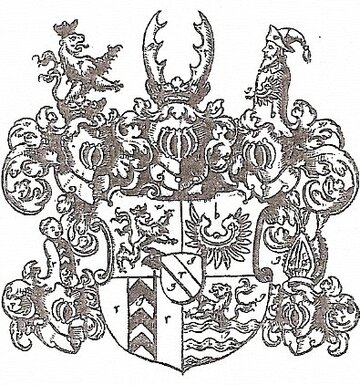
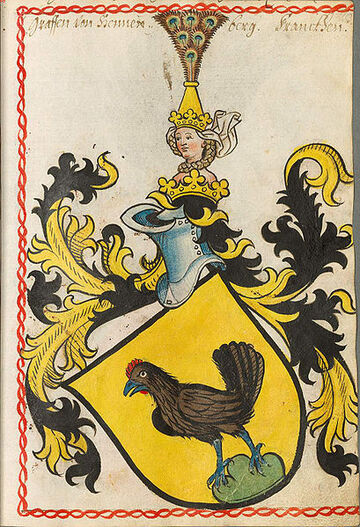
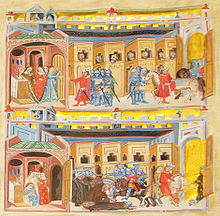

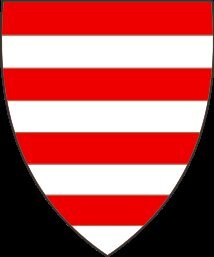
Quellen
Anknüpfungspunkte in anderen Publikationen
Diese Person kommt auch in der Publikation vor: Alle Übereinstim-
Gleicher Geburts-/Todestag
- 1044 » Adelheid I., fränkische Kaisertochter, Äbtissin der Stifte Quedlinburg, Gandersheim, Gernrode und Frose
- 1092 » Vratislav II., König von Böhmen
- 1163 » Ladislaus II., ungarischer Gegenkönig
- 1191 » Berno, erster Bischof von Schwerin und Apostel der Abodriten
- 1236 » Sava von Serbien, erster orthodoxer Erzbischof von Serbien, Schriftsteller und apostelgleicher Heiliger der christlichen Orthodoxen Kirchen
- 1238 » Brunward, Bischof von Schwerin
Die maximum test-Veröffentlichung wurde von Ard van Bergen erstellt.
Geben Sie beim Kopieren von Daten aus diesem Stammbaum bitte die Herkunft an:
Ard van Bergen, "maximum test", Datenbank, Genealogie Online (https://www.genealogieonline.nl/maximum-test/I6000000000768957873.php : abgerufen 7. März 2026), "Vratislaus "Wratislaus II" (1035-1092)".
Ard van Bergen, "maximum test", Datenbank, Genealogie Online (https://www.genealogieonline.nl/maximum-test/I6000000000768957873.php : abgerufen 7. März 2026), "Vratislaus "Wratislaus II" (1035-1092)".